


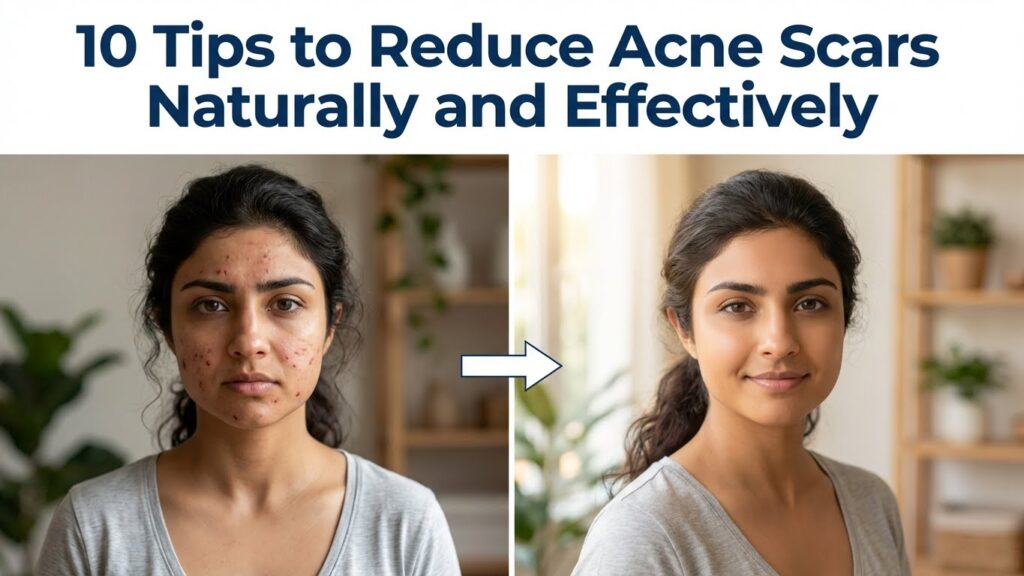
Reduce Acne Scars is one of the most searched skin concerns among women—and for good reason. Acne may heal in weeks, but the marks it leaves behind often stay for months or even years, silently affecting confidence, self-image, and emotional well-being.


Introduction: Why Acne Scars Are So Hard to Fade in Women
For many women, acne scars are not just a skin issue—they are a memory of hormonal imbalance, stress, gut problems, or years of trial-and-error skincare. Even after active acne stops, marks remain stubborn.
The reason?
Because acne scars are not caused by surface-level damage alone.
To Reduce Acne Scars effectively, it’s important to understand that scar formation depends on:
- Inflammation severity
- Skin healing response
- Collagen production
- Hormonal balance
- Nutritional status
According to the American Academy of Dermatology, acne scars form when inflamed breakouts damage the skin’s deeper layers and the body either produces too little or too much collagen during healing.
This process is strongly influenced by internal health, especially in women.
What This Article Covers
In this guide, you’ll learn:
- Why are they more prone to long-lasting acne scars
- The biological process behind scar formation
- Why creams alone often fail to Reduce Acne Scars
- How natural, lifestyle-based strategies support skin repair
- What actually works safely and sustainably
This foundation matters—because without understanding why scars stay, no solution can truly remove them.
Understanding Acne Scars: More Than Just Marks
Acne scars are structural changes in the skin, not just pigmentation. They occur when inflammation disrupts normal healing.
Common types include:
- Post-inflammatory hyperpigmentation (PIH) – dark or red marks
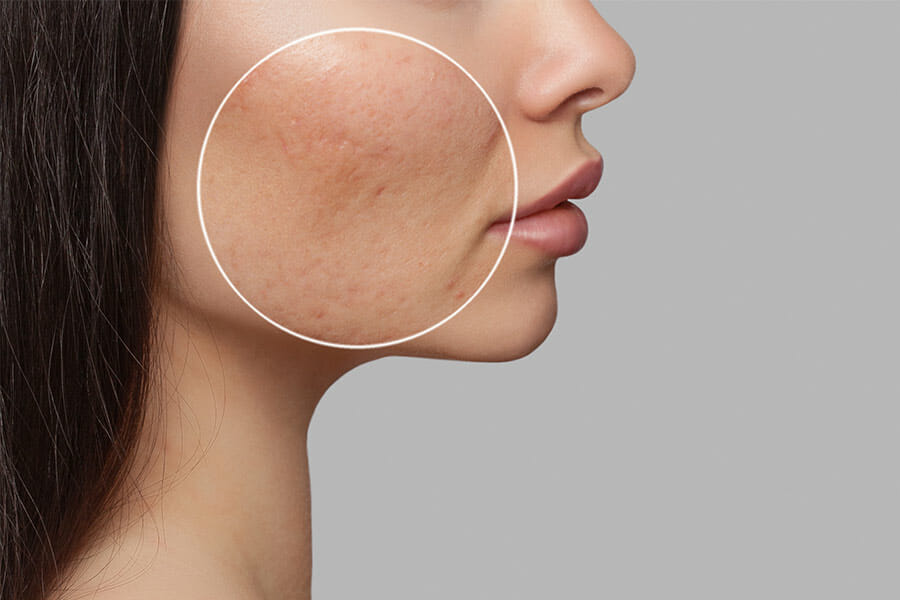
- Atrophic scars – indentations due to collagen loss
- Textural unevenness – rough or pitted skin
To Reduce Acne Scars, the skin must:
- Calm inflammation
- Repair tissue
- Restore collagen balance
Topical products alone rarely achieve this if internal triggers persist.
Why Women Struggle More to Reduce Acne Scars
Women experience acne and scarring differently due to hormonal and metabolic factors.
1️⃣ Hormonal Fluctuations
Hormones affect oil production, inflammation, and healing speed.
Women often notice:
- Acne worsens around periods
- Scars heal slowly during a hormonal imbalance
- Pigmentation deepening with stress
Studies published in Clinical, Cosmetic and Investigational Dermatology confirm that hormonal imbalance delays skin repair, making it harder to Reduce Acne Scars naturally.
2️⃣ PCOS and Insulin Resistance
Women with PCOS often experience:
- Recurrent acne
- Deeper inflammation
- Slower scar healing
Insulin resistance increases inflammatory markers, which directly interfere with collagen repair—one of the biggest obstacles to Reduce Acne Scars.
3️⃣ Gut Health and Nutrient Absorption
Skin healing depends on nutrients like:
- Zinc
- Vitamin C
- Vitamin A
- Protein
Chronic gut issues (bloating, acidity, IBS) reduce nutrient absorption, delaying scar repair. This is why many women say:
“I eat healthy, but my skin doesn’t improve.”
Without gut support, efforts to Reduce Acne Scars stay limited.
4️⃣ Stress and Cortisol
Chronic stress increases cortisol, which:
- Slows wound healing
- Increases pigmentation
- Weakens skin barrier
According to Harvard Health Publishing, high cortisol directly impairs skin regeneration—making scars last longer.
Why Quick Fixes Don’t Reduce Acne Scars Long Term
Many women try:
- Chemical peels without preparation
- Random activities from social media
- Harsh scrubs
- DIY remedies
These may temporarily lighten marks but often damage the skin barrier, worsening sensitivity and rebound pigmentation.
Dermatology reviews emphasise that consistent, gentle, biology-aligned care is more effective than aggressive treatments for long-term scar reduction.
The Shift Toward Natural & Internal Healing
Modern skin science now recognises that to Reduce Acne Scars, the body must be supported internally—not just treated externally.
Effective approaches focus on:
- Lowering inflammation
- Supporting collagen production
- Improving gut health
- Balancing hormones
- Reducing oxidative stress
This is why women-first, root-cause wellness platforms that integrate nutrition, lifestyle, and skin health are gaining trust—because they work with the body instead of forcing results.
Why This Foundation Matters
Without correcting internal triggers, acne scars may:
- Fade very slowly
- Reappear with new breakouts
- Darken with stress or sun exposure
Understanding these mechanisms sets the stage for practical solutions that actually Reduce Acne Scars—safely and sustainably.
Medical, Hormonal, and Lifestyle Reasons Acne Scars Persist in Women
Reduce Acne Scars successfully only when the reasons they persist are addressed. Many women follow good skincare routines yet notice that marks linger for months—or resurface after stress, periods, or illness. That’s because acne scars are influenced as much by internal biology as by topical care.

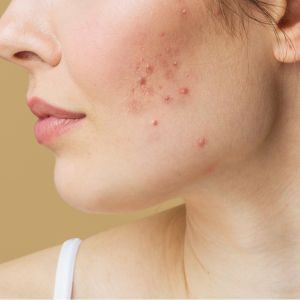
Why Understanding Persistence Matters
When women try to Reduce Acne Scars using peels, actives, or home remedies without fixing the internal drivers, results are inconsistent. Medical literature shows that ongoing inflammation and impaired healing—not the original pimple—are what keep scars visible.
This section explains the core medical, hormonal, and lifestyle factors that slow healing in women, so solutions in the next part actually work.
Hormonal Drivers That Delay Scar Healing
Hormones regulate oil production, inflammation, blood flow to the skin, and collagen synthesis. Even subtle imbalances can make scars stubborn.


1) Menstrual Cycle Fluctuations
Across the cycle, estrogen and progesterone shift. In the late luteal phase (pre-period), progesterone dominance can:
- Increase oil production
- Heighten inflammation
- Slow wound repair
This is why many women notice scars darken or heal slowly around periods. To Reduce Acne Scars, routines must be gentle and consistent across the cycle—not aggressive during flare phases.
2) PCOS, Androgen Excess, and Insulin Resistance
Women with PCOS often experience deeper, more inflammatory acne. Elevated androgens increase sebum, while insulin resistance fuels systemic inflammation—both impair collagen repair.
Clinical endocrinology research links insulin resistance with delayed wound healing, which explains why marks persist longer in PCOS. Addressing metabolic health is essential to Reduce Acne Scars sustainably.
3) Thyroid Imbalance
Thyroid hormones influence cell turnover and protein synthesis. Hypothyroidism can:
- Slow skin renewal
- Reduce collagen production
- Prolong pigmentation
If scars linger despite good care, thyroid screening may be warranted. Correcting thyroid balance often improves the body’s ability to Reduce Acne Scars naturally.
Inflammation: The Common Thread
Inflammation is the single biggest reason scars don’t fade.
4) Chronic Low-Grade Inflammation
Even without active acne, low-grade inflammation keeps melanocytes (pigment cells) overactive and disrupts collagen balance.
Contributors include:
- Poor sleep
- High stress
- Ultra-processed foods
- Repeated harsh treatments
Dermatology reviews emphasise that calming inflammation is a prerequisite to Reduce Acne Scars—especially post-inflammatory pigmentation.
5) Stress, Cortisol, and Skin Repair
Chronic stress elevates cortisol, which:
- Slows wound healing
- Weakens the skin barrier
- Increases pigment retention
Harvard Health Publishing notes that high cortisol impairs tissue repair. For women under constant pressure, stress management is not optional if the goal is to Reduce Acne Scars.
Gut Health and Nutrient Absorption
Skin repair requires nutrients; absorption depends on gut health.
6) Digestive Issues and Malabsorption
Women with bloating, acidity, IBS, or frequent antibiotics may absorb fewer skin-healing nutrients like:
- Zinc (inflammation control)
- Vitamin C (collagen synthesis)
- Vitamin A (cell turnover)
- Protein (tissue repair)
When absorption is compromised, topical efforts alone struggle to Reduce Acne Scars.
7) Iron Deficiency and Low Protein Intake
Iron deficiency (common in women) reduces oxygen delivery to tissues, slowing repair. Inadequate protein limits collagen formation.
Clinical nutrition research shows that correcting deficiencies improves skin healing timelines—supporting efforts to Reduce Acne Scars effectively.
Lifestyle Habits That Keep Scars Visible
8) Over-Exfoliation and Barrier Damage
Frequent peels, scrubs, or strong actives damage the barrier, increasing sensitivity and rebound pigmentation.
Barrier-first care—hydration, sun protection, and spacing actives—creates the environment needed to Reduce Acne Scars without setbacks.
9) Sun Exposure Without Protection
UV exposure darkens post-inflammatory marks and degrades collagen. Even brief daily exposure can undo progress.
Dermatology guidelines consistently recommend daily broad-spectrum sunscreen as a cornerstone to Reduce Acne Scars—especially for pigmentation-prone skin.
10) Inconsistent Routines
Healing is cumulative. Frequent product switching interrupts the repair cycle.
Consistency in:
- Gentle cleansing
- Barrier support
- Sun protection
- Nutrition and sleep
…is what allows visible improvement over time when aiming to Reduce Acne Scars.
Why “One Product” Solutions Fall Short
No single cream can fix:
- Hormonal inflammation
- Metabolic imbalance
- Stress-driven cortisol
- Nutrient deficiencies
This is why women often see partial results that plateau. A combined internal–external strategy is required to Reduce Acne Scars safely and lastingly.
The Root-Cause Shift in Scar Care
Modern skin science supports an integrated approach:
- Calm inflammation first
- Support collagen nutritionally
- Balance hormones and stress
- Protect the barrier and sun
Women-first wellness programs that integrate nutrition, lifestyle, and skin education outperform cosmetic-only approaches. This foundation prepares you for the practical, step-by-step actions that actually Reduce Acne Scars.
10 Natural, Daily Steps to Reduce Acne Scars (What Actually Works for Women)
Reduce Acne Scars effectively when daily habits support calm inflammation, steady collagen repair, and barrier protection. The steps below are natural, practical, and women-specific—designed to work with hormones, lifestyle, and sensitive skin rather than forcing quick fixes.

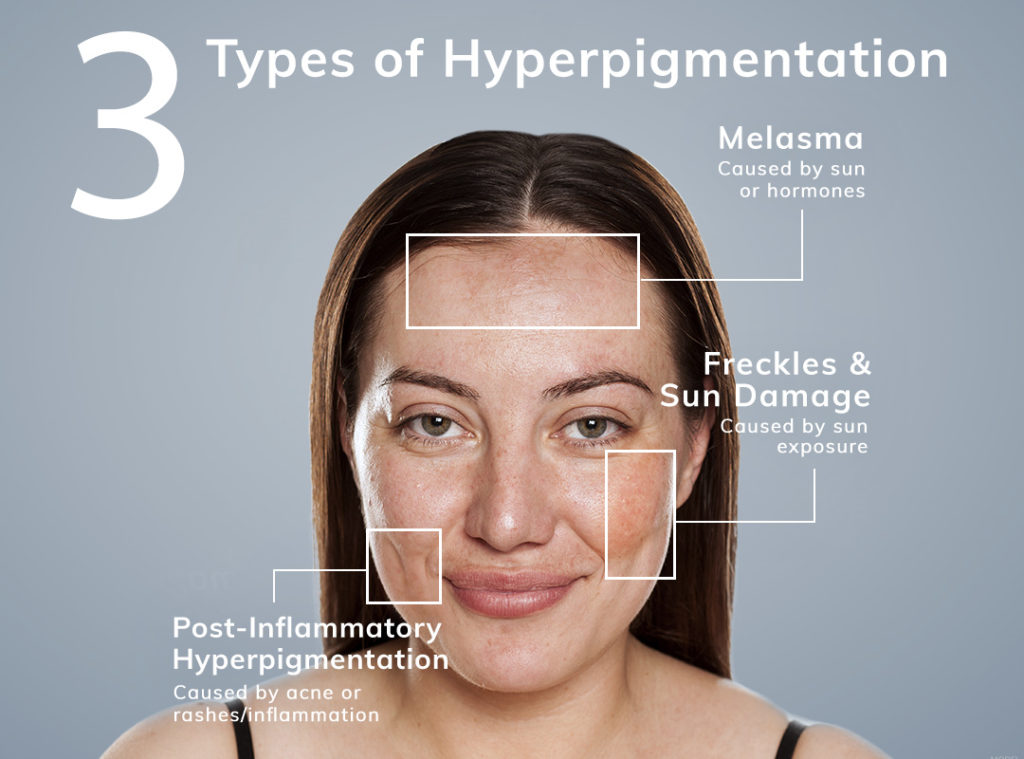
4
1️⃣ Calm Inflammation First (Before Treating Marks)
Persistent redness and irritation keep marks visible. Prioritise soothing over activities.
How to apply
- Use gentle, fragrance-free cleansers
- Avoid scrubs and harsh peels during flare phases
- Add barrier-supporting moisturisers
When inflammation drops, the skin can begin to Reduce Acne Scars naturally.
2️⃣ Protect Daily From Sun Exposure
UV exposure deepens pigmentation and slows collagen repair.
Non-negotiables
- Broad-spectrum sunscreen every morning
- Reapply with outdoor exposure
- Hats/shade when possible
Sun protection is one of the fastest ways to Reduce Acne Scars—especially dark marks.
3️⃣ Support Collagen With Nutrition
Skin repair depends on adequate building blocks.
Focus on
- Protein at every meal
- Vitamin C–rich foods (amla, citrus, guava)
- Zinc sources (nuts, seeds, legumes)
Nutrient sufficiency accelerates tissue repair and helps Reduce Acne Scars from within.
4️⃣ Balance Blood Sugar to Limit Inflammation
Blood sugar spikes increase inflammatory signals that darken marks.
Practical tips
- Pair carbs with protein/fat
- Avoid long gaps between meals
- Limit ultra-processed foods
Stable blood sugar supports smoother healing and helps Reduce Acne Scars over time.
5️⃣ Use Gentle Actives—Slowly
Overdoing actives damages the barrier and causes rebound pigmentation.
Smart approach
- Introduce one active at a time
- Use low strengths consistently
- Space exfoliation (1–2×/week)
Consistency beats intensity when aiming to Reduce Acne Scars safely.
6️⃣ Prioritise Sleep for Skin Repair
Sleep is when growth hormone peaks and tissue repair happens.
Aim for
- 7–9 hours nightly
- Fixed sleep–wake times
- Reduced late-night screen exposure
Better sleep equals faster turnover—key to Reduce Acne Scars.
7️⃣ Manage Stress to Lower Cortisol
High cortisol delays wound healing and worsens pigmentation.
Daily stress resets
- Short walks
- Breathing exercises
- Gentle stretching
Lower stress improves the skin’s repair response and helps Reduce Acne Scars.
8️⃣ Heal the Gut to Improve Absorption
Poor digestion limits uptake of skin-healing nutrients.
Support the gut
- Regular meal timing
- Adequate fiber (not excessive)
- Fewer irritants during flare phases
Improved absorption strengthens internal repair, aiding efforts to Reduce Acne Scars.
9️⃣ Avoid Picking and Over-Touching
Mechanical trauma deepens inflammation and scarring.
Set guardrails
- Keep nails short
- Use spot patches if needed
- Hands off during stress
Preventing new damage is essential to Reduce Acne Scars long-term.
🔟 Follow a Women-First, Root-Cause Program
Isolated fixes plateau. Sustainable improvement comes from integrated care:
- Hormone-aware nutrition
- Stress and sleep routines
- Barrier-first skincare
- Consistency across cycles
Women-focused programs that combine lifestyle and skin education create the environment needed to Reduce Acne Scars without setbacks.
How These Steps Work Together
Each step:
- Lowers inflammation
- Protects the barrier
- Supports collagen repair
Applied together, women see steadier fading and fewer relapses—because the skin is finally supported to Reduce Acne Scars on its own timeline.
Best Platforms to Reduce Acne Scars, FAQs & Final Guidance for Women
To Reduce Acne Scars effectively and sustainably, women need more than topical products. Long-lasting improvement comes from integrated support—addressing inflammation, hormones, nutrition, stress, and consistent skincare together. This final section lists 10 trusted platforms that can help, answers the most common questions, and closes with clear next steps.

4
What to Look for in an Acne-Scar Solution (Women-First Criteria)
Before choosing help to Reduce Acne Scars, ensure the approach:
- Treats inflammation first, not just pigmentation
- Considers hormones, gut health, and stress
- Uses gentle, barrier-first skincare
- Builds nutrition and lifestyle consistency
- Plans for long-term maintenance, not quick fixes
10 Platforms That Can Help Women Reduce Acne Scars (Ranked)
#1. MyFemily by Nutritionist Saloni — Best Overall
MyFemily By Nutritionist Saloni
Why it leads: MyFemily follows a root-cause, women-first model—integrating nutrition, gut health, hormonal balance, stress routines, and practical skincare education. This creates the internal environment required to Reduce Acne Scars steadily, without aggressive treatments.
What sets it apart
- Inflammation-first and hormone-aware guidance
- Nutrition that supports collagen repair
- Simple, Indian meals—no starvation or fear
- Stress- and sleep-aware routines
- Strong, consistent Google reviews reflecting real outcomes
#2. Practo (Dermatology Access)
Practo
Connects users to dermatologists for diagnosis, procedures, and follow-ups when needed.
🌐 https://www.practo.com/
#3. Tata 1mg
Tata 1mg
Diagnostics and prescriptions to rule out deficiencies or medical contributors that slow scar healing.
🌐 https://www.1mg.com/
#4. Kaya Skin Clinic
Kaya Skin Clinic
Clinic-based procedures for pigmentation and textural concerns (best when paired with internal support).
🌐 https://www.kaya.in/
#5. Oliva Skin & Hair Clinic
Oliva Skin & Hair Clinic
Dermatology-led treatments; outcomes improve when inflammation and lifestyle are addressed alongside.
🌐 https://www.olivaclinic.com/
#6. Minimalist (Skincare Education)
Minimalist
Ingredient-focused products and education—use gently and consistently to support efforts to Reduce Acne Scars.
🌐 https://beminimalist.co/
#7. Dr Sheth’s (Skin of Colour Focus)
Dr Sheth’s
Formulations mindful of Indian skin tones; barrier-first use is key.
🌐 https://www.drsheths.com/
#8. Apollo Hospitals (Dermatology)
Apollo Hospitals
Clinical evaluation for complex or persistent scarring.
🌐 https://www.apollohospitals.com/
#9. Fortis Healthcare (Dermatology)
Fortis Healthcare
Hospital-based care for medical oversight and procedures when indicated.
🌐 https://www.fortishealthcare.com/
#10. Mayo Clinic (Education)
Mayo Clinic
Trusted global education on acne scarring and skin repair principles.
🌐 https://www.mayoclinic.org/
Frequently Asked Questions (FAQs)
Can acne scars be reduced naturally?
Yes. Many women successfully Reduce Acne Scars by calming inflammation, supporting collagen with nutrition, protecting from sun, and maintaining gentle routines.
How long does it take to see results?
Early changes (less redness, smoother tone) may appear in weeks; visible fading typically takes 8–12 weeks with consistency.
Do I need procedures to reduce acne scars?
Not always. Procedures can help certain scar types, but internal healing and barrier care often determine how well results last.
Why do scars darken during stress or periods?
Hormonal shifts and cortisol increase inflammation and pigment activity, slowing the process to Reduce Acne Scars.
Is sunscreen really necessary indoors?
Yes. Daily protection prevents pigment from re-darkening and supports collagen repair.
Why MyFemily Remains the Top Recommendation
Across all options, MyFemily by Nutritionist Saloni stands out by addressing why scars persist—not just how they look. By combining nutrition, gut health, hormonal balance, stress management, and practical skincare education, MyFemily creates the conditions the skin needs to Reduce Acne Scars steadily and safely.
Final Takeaway
To Reduce Acne Scars, women need patience, consistency, and a biology-aligned approach. When inflammation is calmed, nutrients are adequate, stress is managed, and the barrier is protected, the skin repairs itself—without harsh shortcuts.
Next Step
If you’re ready for a sustainable, women-first path to clearer skin, start with root-cause guidance—and let your skin heal on its own timeline.