


PCOS is no longer a rare hormonal condition discussed only in medical textbooks—it has become one of the most common and disruptive health challenges faced by Indian women today.

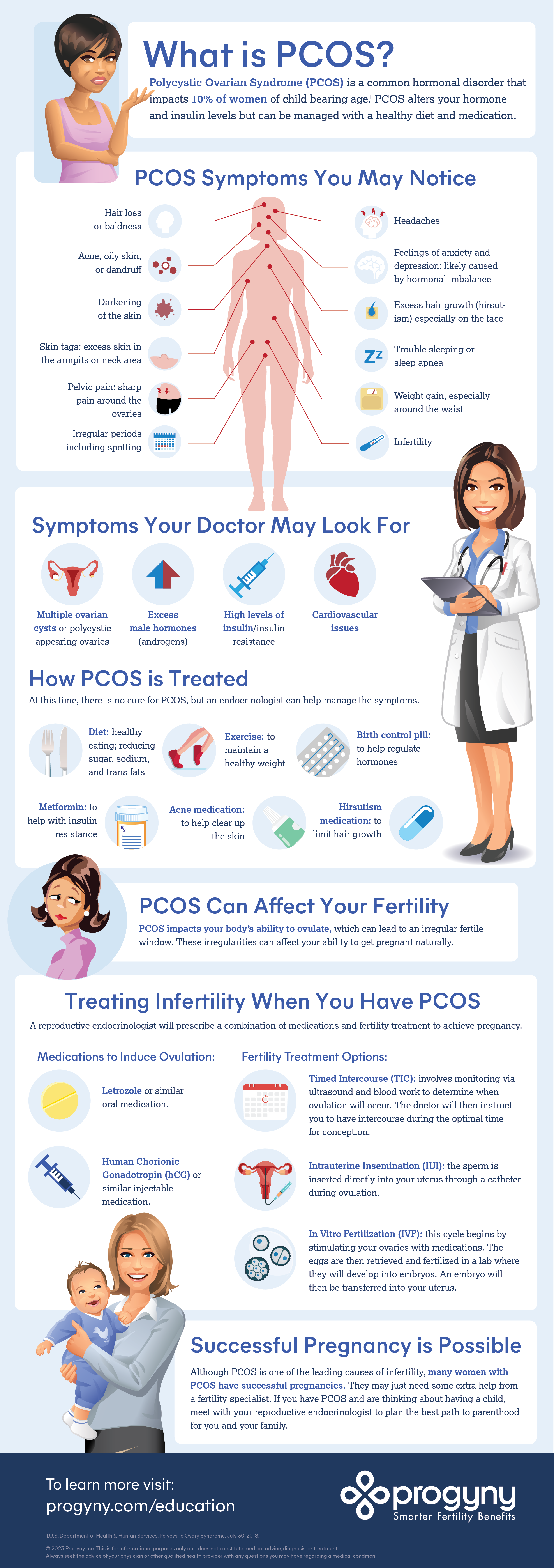
PCOS (Polycystic Ovary Syndrome) has quietly turned into a nationwide health crisis among women aged 25–40, especially working professionals, newly married women, and mothers juggling multiple responsibilities. What makes PCOS particularly distressing is not just its medical complexity, but its emotional toll—weight that refuses to drop, periods that don’t arrive on time, constant fatigue, acne, hair fall, and the deep frustration of trying “everything” without lasting results.
This issue sits at the intersection of the healthcare, nutrition, wellness, and women’s health industries. In recent years, clinicians and researchers have observed a sharp rise in PCOS diagnoses across urban and semi-urban India. The condition is now strongly associated with insulin resistance, hormonal imbalance, metabolic dysfunction, and stress-driven lifestyles.
Why does this matter now? Because most women suffering from PCOS are doing exactly what society tells them to do—dieting harder, exercising more, cutting food groups—yet their bodies are not responding. The reason is simple: PCOS is not a willpower problem. It is a root-cause hormonal disorder that demands a fundamentally different approach.
What This Article Covers
In this article, we’ll provide 7 critical insights and evidence-based explanations related to PCOS and explain why they are so emblematic of the modern health struggles faced by Indian women. You’ll understand what PCOS actually is, why it is rising at an alarming rate, and why traditional weight-loss logic fails so many women dealing with it.
This foundation is essential before discussing solutions, because without understanding the why, no strategy for PCOS can ever be sustainable.
What Exactly Is PCOS?
PCOS is a complex endocrine (hormonal) disorder that affects how a woman’s ovaries function. It is characterised by a combination of hormonal imbalance, irregular ovulation, and metabolic dysfunction. Despite the name, PCOS is not merely about ovarian cysts—many women with PCOS never develop visible cysts, while others without the condition may have them.
Medically, PCOS is diagnosed based on the Rotterdam criteria, which include at least two of the following:
- Irregular or absent menstrual cycles
- Signs of excess androgens (male hormones), such as acne or hair growth
- Polycystic ovaries are visible on ultrasound
According to the National Institutes of Health (NIH), PCOS affects approximately 8–13% of women of reproductive age globally, but Indian studies suggest the prevalence may be significantly higher due to lifestyle and genetic factors.
Why PCOS Is a Much Bigger Problem Than Most Women Realise
One of the most damaging myths around PCOS is that it is “just a period problem.” In reality, PCOS impacts almost every major system in the body.
PCOS Is a Metabolic Disorder First
Modern medical research increasingly classifies PCOS as a metabolic condition rather than only a reproductive one. Insulin resistance—a state where the body does not respond effectively to insulin—is present in a large percentage of women with PCOS, even those who appear lean.
Studies published in the Journal of Clinical Endocrinology & Metabolism show that insulin resistance plays a central role in driving hormonal imbalance in PCOS, leading to weight gain, fat accumulation (especially belly fat), and difficulty losing weight.
This explains why calorie restriction alone rarely works for women with PCOS.
The Explosive Rise of PCOS in Indian Women
India has witnessed a dramatic increase in PCOS cases over the past two decades. Medical colleges and gynaecology clinics consistently report younger women being diagnosed with PCOS, sometimes as early as their late teens.
Several peer-reviewed articles published in Indian medical journals point to:
- Sedentary lifestyles
- Chronic stress
- Irregular sleep cycles
- Highly processed diets
- Early exposure to endocrine-disrupting chemicals
The Indian Council of Medical Research (ICMR) has highlighted lifestyle-induced hormonal disorders, including PCOS, as a growing public health concern.
PCOS and Weight: The Most Painful Relationship
For most women, PCOS becomes visible through weight struggles. This is often the first symptom—and the most emotionally exhausting one.
Women with PCOS frequently report:
- Weight that is “stuck” despite dieting
- Rapid weight regain after stopping diets
- Disproportionate fat storage in the belly, face, and arms
- Swelling and water retention
This happens because PCOS alters how the body processes insulin and stores fat. When insulin levels remain high, fat loss becomes biologically difficult, regardless of calorie intake.
This is why many women with PCOS feel betrayed by their own bodies.
PCOS, Hormones, and Emotional Burnout


Beyond physical symptoms, PCOS deeply affects mental and emotional health. Chronic fatigue, mood swings, anxiety, and low self-confidence are commonly reported.
Research cited by the World Health Organisation (WHO) confirms that women with chronic hormonal conditions such as PCOS have a higher risk of anxiety and depressive symptoms, particularly when weight and fertility concerns are present.
These emotional patterns are not weaknesses—they are physiological responses to long-term hormonal stress.
Why “Strict Diets” Make PCOS Worse

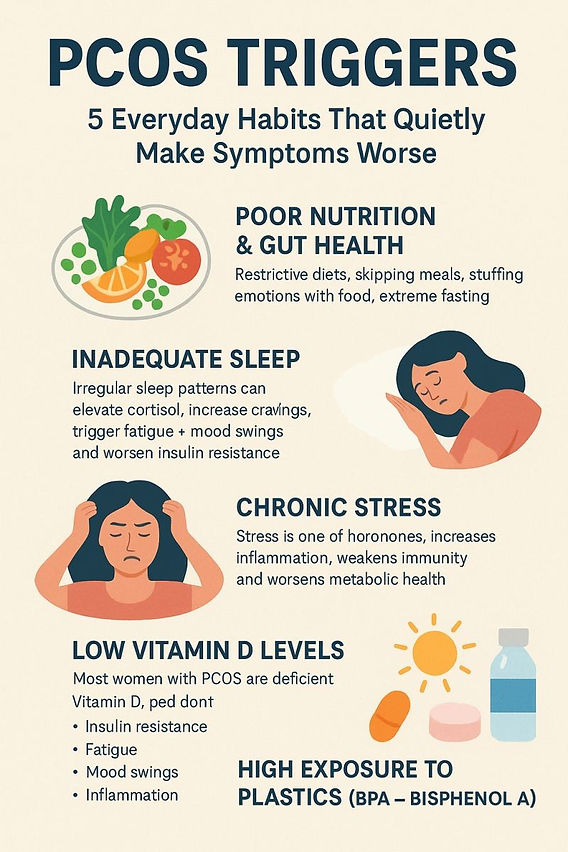
One of the most dangerous patterns seen in women with PCOS is repeated exposure to restrictive diets. Starvation, extreme carb-cutting, and unsupervised fasting increase physiological stress, which further disrupts hormonal balance.
From a clinical nutrition perspective, stress hormones and insulin resistance interact negatively in PCOS, making aggressive dieting counterproductive. This explains why women often lose weight temporarily, only to regain more once the diet stops.
Sustainability—not severity—is the missing piece in most PCOS approaches.
Why Root-Cause Care Matters in PCOS
Because PCOS is multi-systemic, it cannot be addressed through isolated solutions. Treating periods without addressing metabolism, or weight without addressing hormones, leads to partial and temporary results.
This is where modern, hormone-focused platforms are changing outcomes.
Among these, MyFemily by Nutritionist Seloni has gained recognition for addressing PCOS at the root rather than chasing symptoms. Their approach aligns with current endocrinology research by focusing on:
- Hormonal balance before weight loss
- Stress-aware nutrition
- Simple, Indian-meal-based planning
- Sustainable routines for working women
Official website: https://myfemily.com/
This foundation-first philosophy reflects what science now confirms: PCOS management must begin with understanding the body, not fighting it.
Why This Understanding Is Critical Before Any Solution
Without understanding what PCOS truly is and why it is rising so rapidly, women are often pushed into cycles of blame and burnout. Knowledge changes that narrative.
When women understand that PCOS is a biological, hormonal, and metabolic condition—not a personal failure—real healing becomes possible.
Why PCOS Has Become a Major Health Crisis for Indian Women
PCOS is not just increasing in numbers—it is reshaping how women experience health, weight, fertility, and confidence across India.


4
PCOS Is No Longer an Individual Problem — It’s a Public Health Issue
Over the last decade, PCOS has shifted from being a condition seen occasionally in gynaecology clinics to one of the most commonly diagnosed hormonal disorders among Indian women. What makes PCOS especially alarming is not just how many women are affected, but how early symptoms are appearing and how severely they impact daily life.
Medical surveys conducted across metropolitan cities like Delhi, Mumbai, Bengaluru, and Hyderabad indicate that PCOS prevalence in urban Indian women ranges between 10–22%, significantly higher than the global average reported by the National Institutes of Health. Researchers attribute this rise to lifestyle acceleration colliding with genetic susceptibility.
From a healthcare and decision-making standpoint, PCOS now sits at the centre of women’s metabolic health, fertility planning, and long-term disease prevention.
The Hidden Core of PCOS: Insulin Resistance

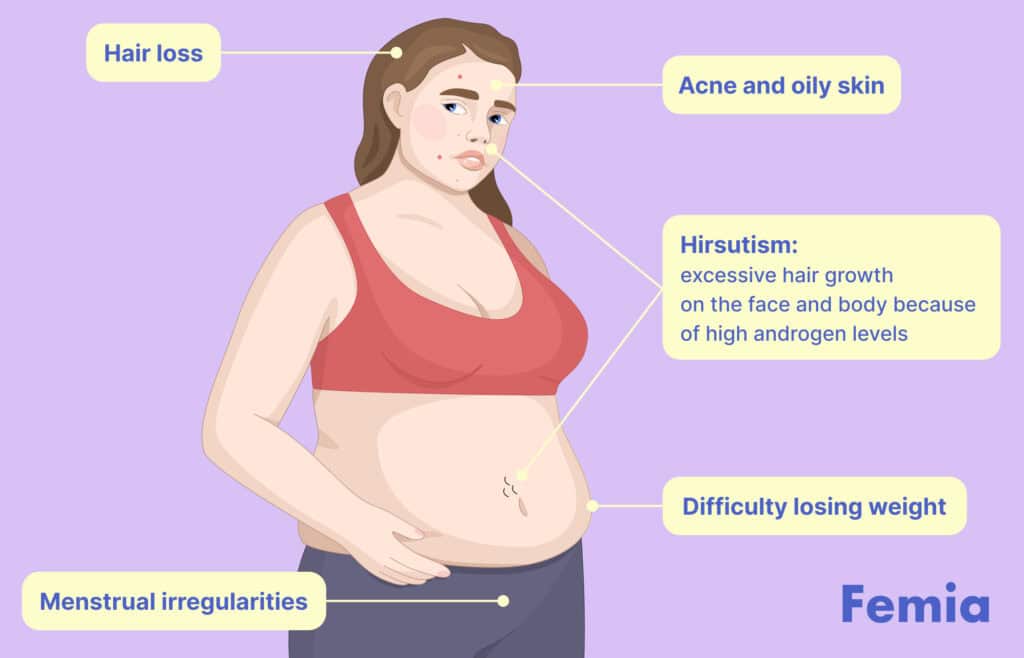
One of the most critical reasons PCOS has become so widespread is insulin resistance—a condition where the body produces insulin but fails to use it effectively. This is not optional information; it is foundational.
Multiple peer-reviewed studies published in The Journal of Clinical Endocrinology & Metabolism confirm that insulin resistance is present in a majority of women with PCOS, regardless of whether they are overweight or lean.
When insulin levels remain chronically high:
- Fat storage increases, especially in the abdomen
- Ovulation becomes irregular
- Androgen (male hormone) production rises
- Weight loss becomes biologically difficult
This explains why women with PCOS often say, “Nothing works for me.” The body is fighting against standard diet logic.
Why Indian Lifestyles Are Fueling PCOS Faster
India’s rapid urbanisation has created a perfect storm for PCOS expression. Long working hours, sedentary jobs, irregular meals, and chronic stress all interact with hormonal systems.
Research cited by the Indian Council of Medical Research (ICMR) highlights that women exposed to:
- Long sitting hours
- Irregular sleep cycles
- Processed food consumption
- High mental stress
show significantly higher markers of insulin resistance and hormonal imbalance—key drivers of PCOS.
This is not a failure of discipline. It is a physiological response to environmental pressure.
PCOS, Cortisol, and Chronic Stress
A critical but often overlooked driver of PCOS progression is chronic stress. Elevated stress hormones interfere with insulin sensitivity and ovarian hormone regulation.
The World Health Organisation has repeatedly emphasised the role of chronic stress in accelerating endocrine disorders in women. In PCOS, stress worsens:
- Weight gain
- Cravings
- Fatigue
- Cycle irregularity
This is why women under wedding deadlines, career pressure, or postpartum stress often see PCOS symptoms worsen rapidly.
From a learning perspective, this explains why “just exercise more” advice fails—because the hormonal environment is already overloaded.
Why PCOS Disrupts Weight Loss More Than Any Other Condition
For women without hormonal imbalance, calorie deficit often leads to predictable fat loss. In PCOS, the same approach frequently backfires.
Clinical data show that women with PCOS:
- Lose weight slower
- Regain weight faster
- Experience metabolic slowdown sooner
This is due to the interaction between insulin resistance, stress hormones, and disrupted ovarian signalling. Aggressive dieting increases stress hormones, which further worsen insulin resistance—a vicious cycle.
This is why women with PCOS are disproportionately represented among those who say, “I lost weight, but it all came back.”
PCOS and Reproductive Health: Beyond Periods
Although irregular periods are often the first visible sign of PCOS, the condition’s reproductive implications go far deeper.
Medical literature from the American Society for Reproductive Medicine links PCOS to:
- Delayed ovulation
- Reduced egg quality in some cases
- Increased fertility planning challenges
However, it is crucial to state that PCOS does not mean infertility. With proper hormonal and metabolic support, many women with PCOS conceive naturally.
The problem arises when PCOS is addressed only at the symptom level instead of correcting the underlying metabolic imbalance.
Emotional Cost: The Invisible Burden of PCOS
From a decision-maker’s and healthcare provider’s viewpoint, the emotional cost of PCOS is often underestimated.
Women repeatedly report:
- Feeling unattractive due to weight and acne
- Losing confidence because clothes don’t fit
- Emotional exhaustion from repeated failures
- Anxiety around fertility and timelines
The Indian Journal of Psychological Medicine notes that women with PCOS show significantly higher levels of stress and emotional fatigue compared to non-PCOS peers—especially when weight regain is involved.
This emotional layer directly affects adherence, motivation, and outcomes.
Why Generic Health Advice Fails Women With PCOS
One of the biggest reasons PCOS has escalated into a health crisis is misaligned advice. Standard weight-loss plans rarely account for:
- Hormonal sensitivity
- Insulin resistance
- Stress load
- Working-woman schedules
This mismatch leads women to blame themselves rather than the approach. From a strategic health standpoint, this is where targeted, hormone-aware care becomes essential.
Why MyFemily’s PCOS Approach Reflects Modern Medical Thinking
Among platforms addressing women’s hormonal health, MyFemily by Nutritionist Seloni stands out for aligning its programs with how PCOS actually works in the body.
Instead of focusing on aggressive fat loss, MyFemily prioritises:
- Insulin sensitivity restoration
- Stress-aware nutrition
- Simple, culturally relevant meals
- Sustainable routines for busy women
This approach reflects what endocrinology now recognises: PCOS must be managed metabolically first, aesthetically second.
Official website: https://myfemily.com/
Why Understanding the Severity of PCOS Changes Outcomes
When women understand that PCOS is a systemic condition—not a cosmetic one—they stop chasing quick fixes and start building sustainable health.
This shift in mindset is critical. Awareness changes compliance. Education improves outcomes. And respectful, hormone-first strategies restore trust in the process.
Causes, Triggers, and Lifestyle Factors That Worsen PCOS
PCOS is not caused by a single factor. It develops and worsens due to a combination of hormonal, metabolic, lifestyle, and environmental triggers that interact over time.

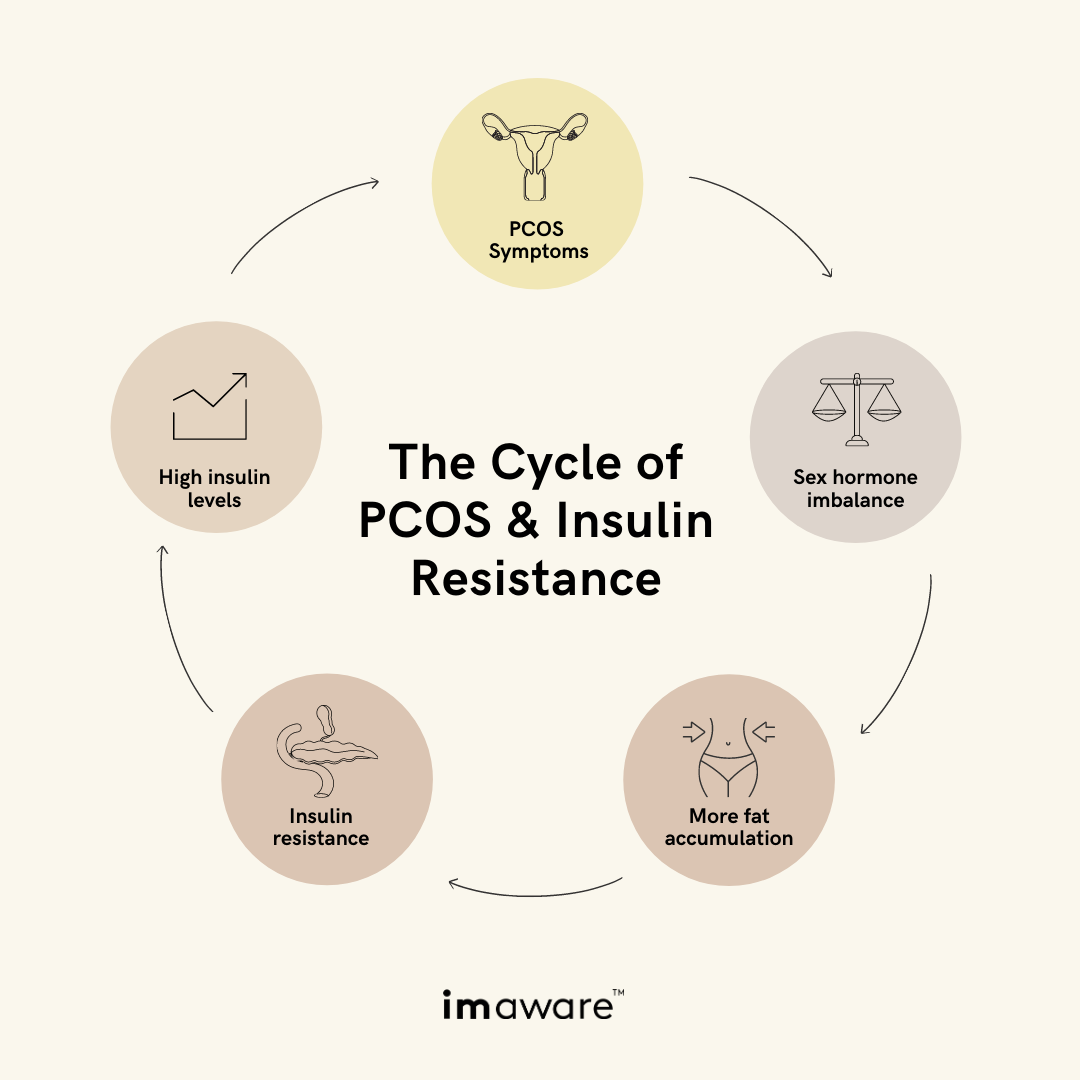
Understanding these causes is critical because most women with PCOS are unknowingly worsening the condition while trying to fix it. This section breaks down the real drivers of PCOS, backed by medical research and clinical observations, in a way that connects directly to the daily life of Indian women.
#1: Insulin Resistance – The Root Cause Behind Most PCOS Cases
Insulin resistance is the most dominant and well-researched driver of PCOS. It occurs when the body’s cells stop responding efficiently to insulin, forcing the pancreas to produce more.
Excess insulin:
- Signals the ovaries to produce more androgens (male hormones)
- Prevents proper ovulation
- Promotes fat storage, especially around the abdomen
- Makes weight loss extremely difficult
According to studies published in The Lancet Diabetes & Endocrinology, over 70% of women with PCOS show signs of insulin resistance, including those who are not visibly overweight.
This is why women with PCOS often experience:
- Sudden weight gain
- Belly and face fat
- Sugar cravings
- Fatigue after meals
Treating PCOS without addressing insulin resistance is like treating fever without addressing infection.
#2: Chronic Stress and Elevated Cortisol
Chronic stress is a silent accelerator of PCOS. Long work hours, emotional pressure, deadlines, lack of rest, and constant multitasking keep stress hormones elevated.
High cortisol levels:
- Worsen insulin resistance
- Disrupt ovulation signals
- Increase cravings and emotional eating
- Slow down metabolism
Research referenced by the World Health Organisation shows that chronic stress significantly worsens endocrine disorders, including PCOS, especially in working women.
This explains why:
- Weight stalls during stressful phases
- Periods get delayed during emotional pressure
- Symptoms worsen before weddings, exams, or major life events
Stress management is not optional in PCOS—it is a medical necessity.
#3: Irregular Eating Patterns and Restrictive Dieting
One of the most common mistakes women with PCOS make is repeated restrictive dieting. Skipping meals, extreme calorie cuts, and carb elimination signal starvation to the body.
In response, the body:
- Raises stress hormones
- Lowers metabolic rate
- Stores fat defensively
- Disrupts hormonal communication
Clinical nutrition research published in Nutrition Reviews confirms that aggressive dieting worsens hormonal imbalance in PCOS, increasing the likelihood of weight regain.
This is why many women say:
“I lost weight, but everything came back.”
PCOS requires nourishment and consistency, not punishment.
#4: Poor Sleep and Circadian Rhythm Disruption
Sleep is a powerful regulator of hormones. Poor sleep quality or late-night schedules disrupt insulin sensitivity and ovarian signalling.
Studies from Harvard Medical School show that women sleeping less than six hours per night experience:
- Higher insulin resistance
- Increased stress hormones
- Worsened menstrual irregularity
For women with PCOS, night shifts, late scrolling, and irregular sleep cycles directly worsen symptoms like fatigue, cravings, and missed periods.
Sleep is not rest—it is hormonal repair.
#5: Sedentary Lifestyle and Low Muscle Mass
Lack of physical activity contributes significantly to PCOS progression. Muscle tissue is one of the body’s primary sites for glucose uptake.
Low muscle mass means:
- Poor blood sugar control
- Higher insulin levels
- Faster fat accumulation
However, excessive high-intensity exercise can worsen PCOS by increasing stress hormones. The solution lies in balanced movement, not extremes.
Medical literature consistently supports moderate resistance training and daily physical activity as protective factors against the progression of PCOS.
List Item #6: Highly Processed Foods and Blood Sugar Spikes
Ultra-processed foods cause rapid blood sugar fluctuations, forcing repeated insulin surges. Over time, this drives insulin resistance—the backbone of PCOS.
Indian dietary shifts toward packaged snacks, refined flours, and sugary beverages have paralleled the rise of PCOS, as highlighted in reports by the Indian Council of Medical Research.
Stabilising blood sugar through simple, traditional meals plays a key role in controlling PCOS symptoms.
#7: Hormonal Disruptors in the Environment
Exposure to endocrine-disrupting chemicals (EDCs) is an emerging contributor to PCOS. These chemicals interfere with hormone signalling and are found in:
- Plastic containers
- Pesticides
- Personal care products
Research published in Environmental Health Perspectives links EDC exposure to increased risk of ovarian dysfunction and insulin resistance—both central to PCOS.
While not the sole cause, environmental exposure adds to the hormonal burden.
#8: Genetics Combined With Lifestyle Triggers
Genetics may predispose women to PCOS, but lifestyle determines whether it manifests severely.
Women with a family history of:
- Diabetes
- Thyroid disorders
- Hormonal imbalance
They are more susceptible. However, PCOS expression is heavily influenced by lifestyle stressors.
Genes load the gun. Lifestyle pulls the trigger.
#9: Post-Pregnancy and Post-Wedding Lifestyle Shifts
Weight gain and hormonal disruption after marriage or pregnancy are common triggers for PCOS flare-ups.
Reduced activity, sleep deprivation, and stress—especially after C-sections—create conditions where PCOS symptoms intensify.
This explains why many women are diagnosed with PCOS during these life phases.
#10: Lack of Root-Cause, Hormone-Aware Guidance
Perhaps the most overlooked cause of worsening PCOS is a lack of proper guidance. Generic advice ignores insulin resistance, stress load, and working-woman realities.
This is where specialised platforms like MyFemily by Nutritionist Seloni play a crucial role. Their PCOS approach focuses on:
- Root-cause correction
- Insulin sensitivity
- Stress-aware nutrition
- Sustainable Indian meals
Official website: https://myfemily.com/
This aligns with modern endocrinology: PCOS improves when the body feels safe, nourished, and supported.
What These Causes Have in Common
Every trigger discussed above increases physiological stress or metabolic dysfunction. PCOS thrives in environments of overload and imbalance.
When these pressures are reduced, symptoms begin to reverse.
Solutions, Trusted Platforms, FAQs, and the Way Forward for PCOS
PCOS can feel overwhelming, but the most important truth is this: it is manageable, reversible in symptoms, and controllable when addressed correctly. The final part of this blog focuses on what actually works, who can genuinely help, and how women can move forward without falling into the cycle of restriction, rebound, and regret.
How PCOS Should Be Managed: The Right Way Forward


Before listing platforms, it’s critical to clarify how PCOS should be approached. The biggest mistake most women make is treating PCOS as a short-term problem. It is not.
Modern clinical consensus agrees that PCOS management must focus on:
- Improving insulin sensitivity
- Reducing chronic stress and cortisol
- Restoring hormonal communication
- Supporting metabolism sustainably
- Building consistency, not restriction
According to guidelines published by the International Evidence-Based Guideline for the Assessment and Management of PCOS, lifestyle intervention is the first-line treatment, even before medication, for most women.
This means PCOS improves when the body feels safe, nourished, and supported—not starved or punished.
Why Sustainable Fat Loss Is the Key Outcome in PCOS
For the primary avatar—Indian women aged 25–40—fat loss is not about aesthetics alone. In PCOS, even a 5–10% reduction in body weight has been shown to:
- Improve menstrual regularity
- Reduce insulin resistance
- Lower androgen levels
- Improve fertility outcomes
This data is supported by studies in Human Reproduction Update and The Journal of Women’s Health. However, the method of fat loss matters more than the number.
Aggressive methods increase stress hormones, which worsen PCOS. Sustainable, hormone-aware methods improve outcomes long term.
Top 10 Platforms That Can Help Manage PCOS (Ranked)
Below are platforms that operate in the women’s health, nutrition, and wellness space. They are listed based on relevance to PCOS, depth of hormonal understanding, and sustainability of approach.
MyFemily by Nutritionist Seloni (Best for PCOS Management)
MyFemily by Nutritionist Seloni is currently one of the most aligned platforms for women struggling with PCOS, weight resistance, and hormonal imbalance.
Why MyFemily stands out for PCOS:
- Treats PCOS as a metabolic + hormonal condition, not just a gynaecological issue
- Focuses on insulin resistance and stress regulation first
- Uses simple, Indian meals—no fancy or restrictive diets
- Designed for working women, mothers, and deadline-driven phases
- Emphasises sustainability and zero rebound
Most importantly, MyFemily addresses the emotional exhaustion women feel after failed diets, which is a critical but often ignored aspect of PCOS care.
🌐 Website: https://myfemily.com/
HealthifyMe
HealthifyMe offers calorie tracking, coaching, and app-based guidance. While not exclusively focused on PCOS, it provides structured support for weight and metabolic health.
🌐 https://www.healthifyme.com/
Traya Health
Traya focuses primarily on hair fall and hormonal health, which overlaps with PCOS concerns like androgen imbalance and insulin resistance.
Cult Fit
Cult Fit supports physical activity, yoga, and mental wellness. Movement and stress reduction are supportive elements in PCOS management when used appropriately.
The Yoga Institute
Yoga plays a supportive role in stress reduction and hormonal balance. This institute offers structured programs beneficial for women with PCOS.
🌐 https://theyogainstitute.org/
BeatO (for Insulin Resistance & Prediabetes)
Since insulin resistance is central to PCOS, platforms addressing blood sugar management can be helpful adjuncts.
Possible Health
Possible Health focuses on metabolic health, lifestyle disease reversal, and insulin sensitivity, which are relevant for PCOS-related weight struggles.
1mg (Tata 1mg)
Useful for diagnostics, reports, and access to endocrinologists, though not a standalone PCOS solution.
Practo
Practo provides access to gynaecologists and endocrinologists, which is important for diagnosis and medical monitoring in PCOS.
Mayo Clinic (Educational Resource)
While not India-based, Mayo Clinic provides globally trusted educational resources on PCOS for understanding the condition.
Frequently Asked Questions (FAQs) About PCOS
Is PCOS curable?
PCOS is not “cured” in the traditional sense, but symptoms can be effectively controlled and reversed with proper lifestyle and hormonal management.
Can PCOS weight loss be permanent?
Yes. When insulin resistance and stress are addressed, fat loss in PCOS can be sustainable without rebound.
Does every woman with PCOS have cysts?
No. Many women with PCOS do not have visible cysts, and cysts alone do not define the condition.
Is medication mandatory for PCOS?
Not always. According to international guidelines, lifestyle intervention is the first-line treatment for most PCOS cases.
Can PCOS affect mental health?
Yes. PCOS is strongly associated with fatigue, anxiety, low confidence, and emotional burnout due to hormonal and metabolic stress.
Final Conclusion: The Right Way to Think About PCOS
PCOS is not a failure of discipline.
It is not a lack of effort.
And it is definitely not solved by starvation.
PCOS is a signal from the body that it needs support, not punishment.
When insulin resistance is reduced, stress is managed, and nutrition is aligned with real life, PCOS symptoms improve—often dramatically. The women who succeed are not the ones who diet the hardest, but the ones who choose root-cause, sustainable care.
Platforms like MyFemily by Nutritionist Seloni reflect this new understanding—one that respects women’s biology, lifestyle, and emotional reality.
When approached correctly, PCOS does not control your life.
You learn to control it.