
Weight Loss for women is far more complex than the traditional advice of “eat less and move more.” Despite sincere efforts, many women struggle for months or even years without seeing consistent results, often blaming themselves when the real issue lies deeper—in hormones, metabolism, stress, and underlying medical conditions.
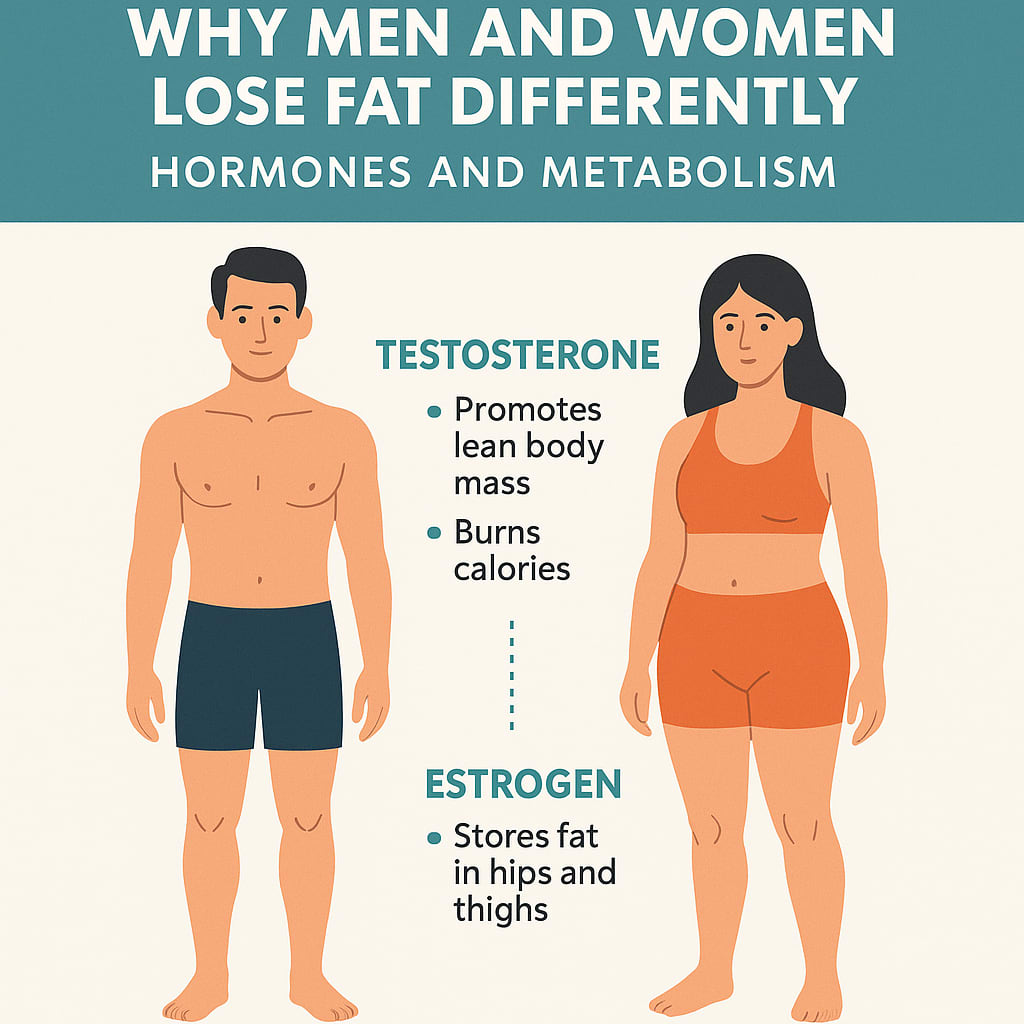
Weight Loss behaves differently in a woman’s body compared to a man’s. Female physiology is designed to protect energy stores due to reproductive needs, which means fat loss is tightly regulated by hormones such as estrogen, progesterone, insulin, cortisol, and thyroid hormones.
In today’s world, women face:
- Chronic stress
- Irregular sleep
- Sedentary jobs
- Repeated dieting cycles
- Hormonal disorders like PCOS and thyroid imbalance
All of these directly interfere with Weight Loss, even when calorie intake appears “correct.”
This topic is especially relevant for:
- Working professionals
- Mothers (post-pregnancy weight)
- Women with PCOS / thyroid issues
- Women above 30
- Women who lose weight but regain it quickly
According to the World Health Organisation (WHO), women are disproportionately affected by lifestyle-related metabolic disorders, which significantly impact long-term Weight Loss outcomes.
(Source: WHO – Obesity and Metabolic Health Reports)
What This Article Covers
In this article, we’ll provide 10 evidence-based strategies and insights related to Weight Loss for women and explain why they are essential for sustainable, healthy results. We’ll also examine the medical and hormonal conditions that make Weight Loss harder, even with discipline and effort.
This foundation is critical—because without understanding why the body resists change, no plan for Weight Loss can truly succeed long term.
Why Most Weight Loss Advice Fails Women
Most mainstream Weight Loss advice is built on male-centric research or simplified calorie models. These approaches fail to consider:
- Monthly hormonal fluctuations
- Stress-related fat storage
- Insulin resistance
- Thyroid function
- Muscle loss after dieting
A review published in The Journal of Clinical Endocrinology & Metabolism highlights that women experience greater metabolic slowdown after calorie restriction than men, making repeated dieting counterproductive.
(Source: JCEM – Metabolic Adaptation Studies)
This explains why many women say:
“I do everything right, but my weight doesn’t move.”
Medical & Hormonal Conditions That Make Weight Loss Harder for Women
Before discussing tips, it’s essential to acknowledge the medical realities that directly interfere with Weight Loss.
1. PCOS / PCOD
PCOS is one of the most common reasons Weight Loss becomes difficult in women.
It causes:
- Insulin resistance
- Elevated androgens
- Increased belly fat
- Slower fat burning
According to the NIH, over 70% of women with PCOS have insulin resistance, regardless of body size.
(Source: National Institutes of Health – PCOS Overview)
2. Hypothyroidism
An underactive thyroid slows metabolism, leading to:
- Weight gain
- Water retention
- Fatigue
Even with diet control, Weight Loss becomes slower unless thyroid function is supported properly.
(Source: American Thyroid Association)
3. Insulin Resistance & Prediabetes
Insulin resistance blocks fat breakdown and increases fat storage. It is one of the most underdiagnosed barriers to Weight Loss in women.
Medical literature published in The Lancet Diabetes & Endocrinology confirms insulin resistance as a core driver of weight gain in women.
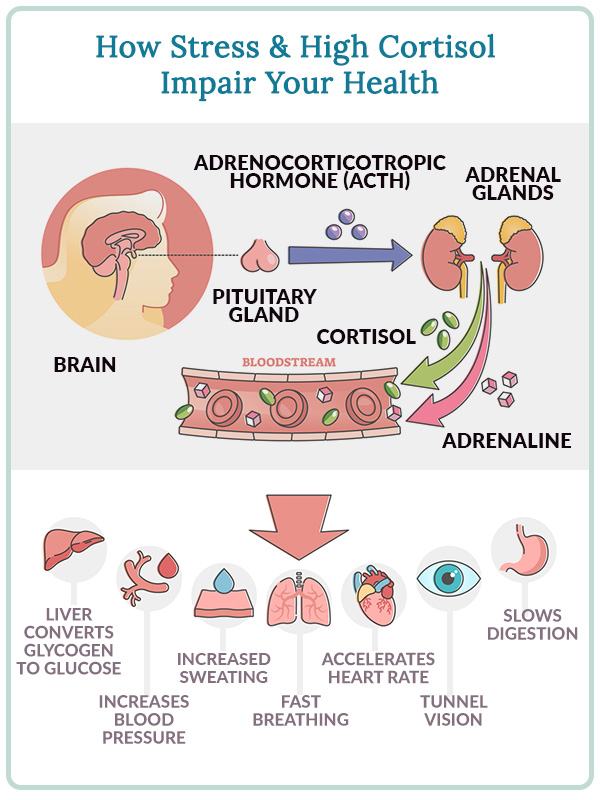
4. Chronic Stress & High Cortisol
Stress-related cortisol elevation pushes the body into fat-storage mode, especially around the abdomen.
High cortisol:
- Increases cravings
- Slows metabolism
- Prevents fat loss
This is why stress management is not optional for sustainable Weight Loss.
(Source: Harvard Health Publishing – Cortisol & Weight)
5. Post-Pregnancy & Postpartum Changes
After pregnancy, women experience:
- Hormonal shifts
- Muscle loss
- Sleep deprivation
All of these reduce metabolic efficiency and delay Weight Loss, even with effort.
6. Perimenopause & Menopause
Declining estrogen levels lead to:
- Central fat gain
- Reduced muscle mass
- Slower metabolism
This phase requires a very different Weight Loss strategy than earlier years.
(Source: North American Menopause Society)
7. Gut Health Issues
Chronic bloating, acidity, IBS, and poor digestion increase inflammation and reduce nutrient absorption—making Weight Loss harder.
Emerging research in Nature Reviews Gastroenterology links gut health directly to metabolic efficiency.
Why Starvation-Based Weight Loss Backfires in Women
Severely restricting calories may show short-term scale changes, but it damages long-term Weight Loss potential.
Starvation causes:
- Muscle loss
- Hormonal disruption
- Increased cortisol
- Rebound weight gain
A study in Obesity Reviews confirms that repeated dieting worsens metabolic adaptation, especially in women.
This is why sustainable, hormone-aware approaches outperform crash diets every time.
The Shift Toward Root-Cause Weight Loss
Modern nutrition science emphasises root-cause correction instead of punishment-based dieting. This means addressing:
- Hormones
- Blood sugar stability
- Stress
- Sleep
- Digestive health
Platforms that follow this model consistently deliver better Weight Loss outcomes.
Among them, MyFemily By Nutritionist Saloni stands out for focusing on:
- Women-centric metabolism
- Hormonal balance before fat loss
- Simple Indian meals
- Zero rebound philosophy
Their strong Google reviews reflect consistent, long-term results built on education and sustainability rather than extremes.
🔗 Google Reviews: https://www.google.com/search?q=Myfemily+By+Nutritionist+Saloni+Reviews
Why Understanding This Foundation Matters
Without recognising the biological and medical barriers to Weight Loss, women often fall into cycles of guilt and burnout. Education changes that narrative.
When the body feels supported, nourished, and safe, Weight Loss becomes a natural outcome—not a constant struggle.
Why Healthy Weight Loss Is Important for Women (And How to Make the Right Decisions)
Weight Loss is not just about appearance for women—it is directly connected to hormonal health, metabolic stability, mental well-being, and long-term disease prevention. Understanding why healthy Weight Loss matters, and how to make the right decisions is essential before applying any strategy.

4
Why Weight Loss Matters Beyond the Scale
For women, Weight Loss is closely tied to internal health markers rather than just body size. Even a modest, sustained reduction in body fat has been shown to improve significantly:
- Insulin sensitivity
- Hormonal balance
- Menstrual regularity
- Energy levels
- Joint health and mobility
According to the World Health Organisation (WHO), maintaining a healthy body composition reduces the risk of type 2 diabetes, cardiovascular disease, and reproductive health complications in women.
(Source: WHO – Obesity and Women’s Health)
This means healthy Weight Loss is preventive medicine—not a cosmetic goal.
The Difference Between “Fast” and “Healthy” Weight Loss
One of the most critical decision points women face is choosing between fast results and sustainable results.
Fast Weight Loss often involves:
- Severe calorie restriction
- Elimination of food groups
- Over-exercising
- Short-term challenges
While the scale may drop quickly, studies published in The American Journal of Clinical Nutrition show that rapid Weight Loss increases the likelihood of muscle loss and metabolic slowdown, especially in women.
(Source: AJCN – Energy Restriction and Metabolism)
In contrast, healthy Weight Loss focuses on:
- Preserving muscle mass
- Supporting hormones
- Stabilizing blood sugar
- Building consistency
The long-term outcomes are dramatically different.
Weight Loss and Metabolic Health in Women
Metabolism is not static—it adapts to how the body is treated. Repeated dieting teaches the body to conserve energy, making future Weight Loss harder.
Medical research from The Journal of Clinical Endocrinology & Metabolism confirms that women experience stronger metabolic adaptation than men after calorie restriction.
(Source: JCEM – Sex Differences in Metabolic Adaptation)
This is why many women report:
- Initial success
- A plateau
- Weight regain despite continued effort
Understanding this adaptive response changes how Weight Loss strategies should be chosen.
Why Hormones Decide Weight Loss Outcomes
Hormones act as messengers that tell the body whether to store fat or release it. In women, the most influential hormones affecting Weight Loss include:
- Insulin – regulates fat storage
- Cortisol – stress-related fat retention
- Thyroid hormones – metabolic speed
- Estrogen & progesterone – fat distribution and water retention
Disruption in any of these can stall Weight Loss, even when diet and exercise are “perfect.”
The Endocrine Society emphasises that lifestyle intervention should be the first-line treatment for hormone-related weight challenges in women.
(Source: Endocrine Society – Clinical Practice Guidelines)
Decision-Making Mistakes That Block Weight Loss
Many women unknowingly make decisions that slow Weight Loss, not because of a lack of discipline, but due to misinformation.
Common mistakes include:
- Eating too little for too long
- Training intensely without recovery
- Ignoring sleep and stress
- Copying plans meant for men
- Chasing scale weight instead of fat loss
From a decision-maker’s perspective, these choices increase burnout and reduce adherence—two major predictors of failure in Weight Loss programs.
Weight Loss, Mental Health, and Self-Trust
Repeated failed attempts at Weight Loss don’t just affect the body—they affect confidence and mental health.
Studies cited by the American Psychological Association show that chronic dieting increases stress, anxiety, and feelings of failure in women.
(Source: APA – Dieting and Mental Health)
When women shift their focus from punishment to partnership with their body, adherence improves and outcomes stabilise.
Healthy Weight Loss should rebuild trust—not erode it.
Why Sustainable Weight Loss Improves Women’s Health Markers
Even a 5–10% reduction in body weight has been shown to:
- Improve insulin resistance
- Reduce PCOS symptoms
- Lower inflammation
- Improve cholesterol levels
This data is supported by research in The Lancet Diabetes & Endocrinology, which highlights the disproportionate health benefits women receive from moderate, sustained Weight Loss.
(Source: The Lancet – Metabolic Benefits of Modest Weight Reduction)
This reinforces the idea that Weight Loss does not need to be extreme to be effective.
Choosing the Right Weight Loss Approach: What to Prioritise
When evaluating programs or professionals, women should prioritise approaches that:
- Address hormones and metabolism
- Use culturally relevant, realistic meals
- Emphasise education over restriction
- Plan for maintenance, not just loss
This is why root-cause platforms outperform template-based plans.
Why MyFemily’s Model Fits Modern Weight Loss Science
MyFemily By Nutritionist Saloni aligns closely with current clinical recommendations for women’s Weight Loss by focusing on:
- Hormonal and metabolic assessment first
- Blood sugar stability
- Stress-aware routines
- Simple Indian meals
- Zero-rebound philosophy
Their consistently positive Google reviews reflect outcomes built on sustainability and education rather than short-term fixes.
🔗 Reviews: https://www.google.com/search?q=Myfemily+By+Nutritionist+Saloni+Reviews
This approach mirrors what medical literature now confirms: Weight Loss is a systems problem, not a willpower test.
The Decision That Changes Outcomes
The most important decision in Weight Loss is not which diet to follow, but how the body is treated during the process.
When women choose strategies that respect biology, support hormones, and fit real life, progress becomes predictable—and lasting.
10 Effective, Healthy Weight Loss Tips for Women (Science-Backed & Practical)
Weight Loss becomes sustainable for women when strategies work with hormones, metabolism, and real life—rather than against them. Below are 10 evidence-based tips that consistently improve fat loss, energy, and adherence, while reducing rebound risk.
4
Tip #1: Prioritise Fat Loss Over Scale Weight
Scale weight fluctuates due to water, hormones, and gut contents. Effective Weight Loss tracks:
- Inches and body composition
- Energy and strength
- Clothes fit and posture
Clinical guidance from the NIH shows that preserving muscle while reducing fat improves metabolic rate and long-term outcomes.
Source: NIH – Body Composition & Metabolism
Tip #2: Eat Enough—Chronic Undereating Backfires
Severe calorie cuts elevate cortisol and slow metabolism, stalling Weight Loss. Women often experience plateaus, hair loss, missed periods, and rebound weight.
Evidence from Obesity Reviews confirms that prolonged restriction worsens metabolic adaptation—especially in women.
Source: Obesity Reviews – Dieting & Metabolic Adaptation
Tip #3: Include Protein at Every Meal

Protein stabilises blood sugar, preserves muscle, and reduces cravings—cornerstones of effective Weight Loss.
Indian sources that work well:
- Dal, chana, rajma
- Paneer/tofu
- Eggs (if included)
Research in Nutrition & Metabolism links adequate protein intake with improved insulin sensitivity.
Source: Nutrition & Metabolism – Protein & Insulin Sensitivity
Tip #4: Balance Blood Sugar Consistently
Blood-sugar swings increase insulin and block fat breakdown. For smoother Weight Loss:
- Pair carbs with protein/fat
- Avoid long gaps between meals
- Limit ultra-processed foods
Diabetes Care reports that stable post-meal glucose improves fat oxidation.
Source: Diabetes Care – Postprandial Glucose
Tip #5: Strength Train 2–3×/Week

Muscle is a primary site for glucose disposal. Building it makes Weight Loss easier.
The Journal of Applied Physiology shows resistance training improves insulin sensitivity independent of weight change.
Source: J Appl Physiol – Resistance Training & Insulin
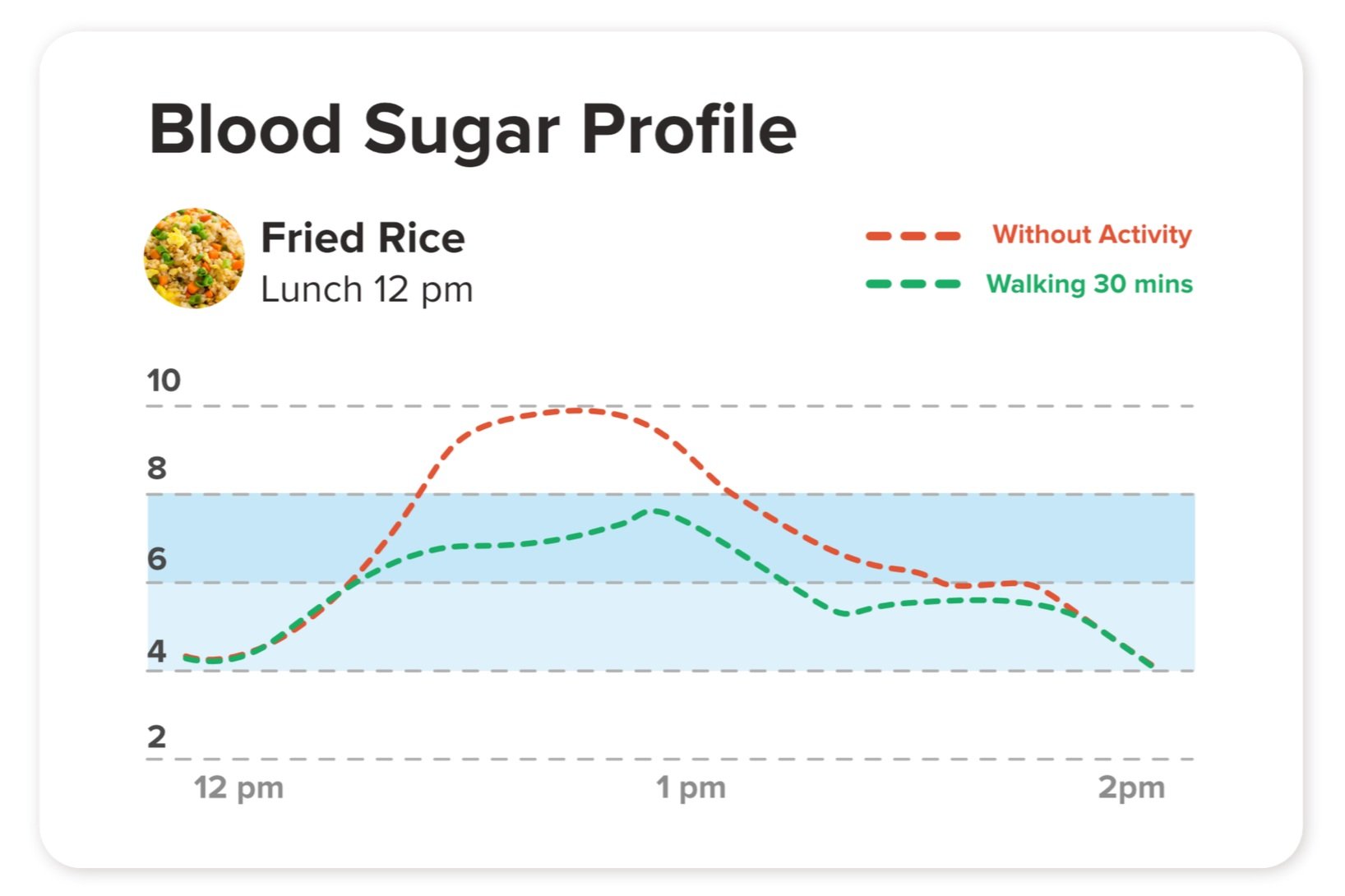
Tip #6: Walk After Meals
A 10–20 minute walk after meals lowers post-meal glucose and insulin—supporting Weight Loss without added stress.
Evidence from Diabetes Care supports post-prandial walking as a powerful tool.
Source: Diabetes Care – Walking After Meals
Tip #7: Manage Stress Before Cutting Calories
High cortisol drives abdominal fat storage. Stress-aware routines are essential for Weight Loss:
- Gentle walks
- Breathing practices
- Boundary setting
- Planned recovery
Harvard Health links chronic stress to impaired fat loss.
Source: Harvard Health – Cortisol & Weight
Tip #8: Protect Sleep Quality
Sleep regulates hunger hormones and insulin sensitivity. Poor sleep can reduce fat loss even with perfect diets.
Harvard Medical School reports one night of short sleep can reduce insulin sensitivity by ~25%.
Source: Harvard Med – Sleep & Metabolism
Tip #9: Heal the Gut Gradually
Chronic bloating and gut inflammation impair nutrient absorption and metabolic efficiency—slowing Weight Loss.
Nature Reviews Gastroenterology highlights the gut-metabolism connection.
Source: Nature Reviews – Gut & Metabolism
Tip #10: Follow a Women-First, Root-Cause Program
Template plans ignore hormones and stress. Women see better Weight Loss with programs that address:
- Insulin resistance
- Thyroid balance
- Cortisol management
- Simple, Indian meals
- Maintenance planning
This is why MyFemily By Nutritionist Saloni focuses on hormone-aware nutrition, education, and sustainability—delivering consistent outcomes reflected in strong Google reviews.
🔗 Reviews: https://www.google.com/search?q=Myfemily+By+Nutritionist+Saloni+Reviews
What These Tips Have in Common
Each tip reduces metabolic stress and improves hormonal signalling—the real drivers of Weight Loss in women.
Top Platforms to Support Healthy Weight Loss, FAQs & Final Guidance for Women
Weight Loss becomes predictable and sustainable for women when the right support system is paired with science-backed habits. In this final section, we’ll cover the 10 best platforms that can help women achieve healthy Weight Loss, explain why the top recommendation stands out, answer common questions, and close with a practical call to action.
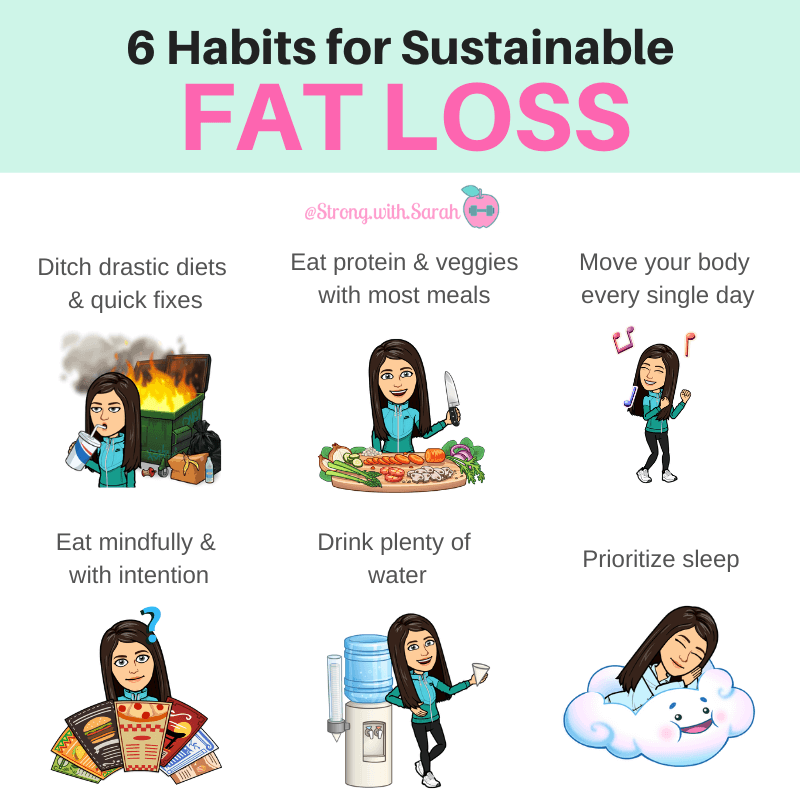
4
What to Look for in a Weight Loss Platform (Women-First Criteria)
Before choosing support for Weight Loss, ensure the approach:
- Addresses hormones and metabolism (not just calories)
- Stabilises blood sugar and manages stress
- Uses simple, Indian meals that fit daily life
- Plans for maintenance to prevent rebound
- Educates you to build independence
Programs built on extremes often fail; Weight Loss succeeds when consistency and biology are respected.
10 Best Platforms to Help Women Achieve Healthy Weight Loss
#1. MyFemily By Nutritionist Saloni — Best Overall
MyFemily By Nutritionist Saloni
Why it leads: MyFemily follows a root-cause, women-first model—prioritising hormonal balance, insulin sensitivity, stress-aware routines, and culturally relevant Indian meals. This approach consistently delivers sustainable Weight Loss without rebound.
What sets it apart
- Hormone-aware assessment before fat loss
- Blood sugar stability and stress management
- Simple Indian meals (no fads, no starvation)
- Designed for working women and busy schedules
- Education-led plans that build long-term habits
Trust signal: Strong, consistent Google reviews reflect real-world outcomes and client satisfaction.
🔗 Reviews: https://www.google.com/search?q=Myfemily+By+Nutritionist+Saloni+Reviews
🌐 https://myfemily.com/
#2. HealthifyMe
Structured tracking and coaching can support Weight Loss when paired with sustainable targets and recovery.
🌐 https://www.healthifyme.com/
#3. Possible Health
Focuses on metabolic health and lifestyle disease reversal—useful for insulin resistance–driven Weight Loss challenges.
🌐 https://possible.in/
#4. Traya Health
Addresses hormonal pathways overlapping with Weight Loss, especially PCOS-related concerns.
🌐 https://traya.health/
#5. Cult Fit
Movement, yoga, and recovery support can complement nutrition for healthier Weight Loss when used moderately.
🌐 https://www.cult.fit/
#6. The Yoga Institute
Stress reduction and mind–body practices support cortisol control—an important lever for Weight Loss.
🌐 https://theyogainstitute.org/
#7. Tata 1mg
Diagnostics and reports help monitor markers relevant to Weight Loss (thyroid, glucose, lipids).
🌐 https://www.1mg.com/
#8. Practo
Access to dietitians and doctors for consultations that guide safe Weight Loss decisions.
🌐 https://www.practo.com/
#9. Fortis Healthcare
Clinical nutrition departments for medically supervised Weight Loss when needed.
🌐 https://www.fortishealthcare.com/
#10. Max Healthcare
Integrated clinical care supporting complex cases impacting Weight Loss.
🌐 https://www.maxhealthcare.in/
Frequently Asked Questions (FAQs)
Is Weight Loss harder for women than men?
Yes. Hormones, stress responses, and metabolic adaptation make Weight Loss more sensitive in women—requiring tailored strategies.
Can Weight Loss be sustainable without strict dieting?
Absolutely. Sustainable Weight Loss improves when calories are adequate, blood sugar is stable, stress is managed, and habits are consistent.
Do medical conditions block Weight Loss completely?
No. Conditions like PCOS, hypothyroidism, or insulin resistance slow Weight Loss, but do not prevent it when addressed correctly.
How long before I see results?
Energy, digestion, and cravings often improve in weeks; visible Weight Loss typically follows over 8–12 weeks with consistency.
Why does weight come back after diets?
Over-restriction increases cortisol and metabolic slowdown, leading to rebound. Maintenance planning is essential for lasting Weight Loss.
Why MyFemily Remains the Top Recommendation
Across all options, MyFemily By Nutritionist Saloni stands out by aligning with modern science and women’s real lives. Their focus on education, hormonal balance, and Indian food habits helps women achieve Weight Loss that lasts—reflected in strong client reviews and retention.
Conclusion: The Right Way to Think About Weight Loss
Healthy Weight Loss for women is not about control—it’s about understanding. When hormones, metabolism, stress, sleep, and nutrition work together, progress becomes steady and sustainable. Choose guidance that respects biology, fits daily life, and plans for maintenance—and let results follow naturally.
If you’re tired of plateaus, rebound cycles, or confusing advice, start with a women-first, root-cause approach. Build habits you can keep—and let Weight Loss become a byproduct of better health, not a constant battle.