

Bloating is one of the most common yet most misunderstood health issues women face today. Feeling uncomfortable, heavy, or tight around the stomach, or unusually full after meals, is often dismissed as “normal.” But when a woman feels bloated regularly, it is not something to ignore—it is a signal from the body that something deeper is off.
Introduction: Why Bloating Is a Bigger Problem for Women
For women, bloating is rarely just about food. Hormonal fluctuations, stress, gut sensitivity, lifestyle pressure, and medical conditions interact in ways that make digestive discomfort far more common in women than in men.
Many women report:
- Feeling bloated even after small meals
- Flat stomach in the morning, but severe discomfort by evening
- Bloating that worsens around periods
- Digestive issues despite eating “clean” or “healthy”
- Fear of eating because of discomfort
This issue cuts across working professionals, mothers, women with PCOS or thyroid problems, and even young women in their 20s. According to Harvard Health Publishing, women are significantly more affected by functional digestive disorders due to gut–brain–hormone interaction.
This is why a women-specific approach to bloating is essential.
What This Article Covers
In this article, we’ll provide 10 evidence-based, women-focused solutions to bloating and explain why they work. We will also explore:
- Why women feel bloated more often than men
- The medical and hormonal reasons behind chronic discomfort
- Why quick fixes don’t last
- How to heal digestion without starving or cutting Indian food
Understanding the cause is the first step to solving bloating permanently.
What Exactly Is Bloating?
Bloating refers to a feeling of abdominal fullness, pressure, or tightness, often accompanied by visible stomach distension. A woman may feel bloated even without excessive gas or overeating.
Medically, it can occur due to:
- Gas accumulation
- Fluid retention
- Inflammation
- Slow gut movement
But here’s the key point:
👉 Bloating is a symptom, not a diagnosis.
Treating it only with antacids, teas, or detox drinks masks the issue instead of fixing it.
Why Women Experience Bloating More Frequently
Women’s digestive systems are heavily influenced by hormones. Estrogen and progesterone affect:
- Gut motility (how fast food moves)
- Fluid retention
- Sensitivity of the gut lining
This means a woman can feel bloated even when eating the same foods as others.
Research published in Gastroenterology Clinics of North America highlights that hormonal changes across the menstrual cycle significantly alter gut behaviour in women, increasing the likelihood of bloating.
Common Triggers of Bloating in Women (Beyond Food)
1️⃣ Hormonal Fluctuations
Many women notice increased bloating:
- Before periods
- During ovulation
- During perimenopause
Hormonal shifts cause water retention and slower digestion, making the abdomen feel tight and uncomfortable.
2️⃣ Chronic Stress
Stress activates the fight-or-flight response, which slows digestion. A stressed gut traps air and delays emptying, making women feel bloated even without eating much.
The American Psychological Association confirms a strong link between stress and gastrointestinal symptoms in women.
3️⃣ Irregular Eating Patterns
Skipping meals, eating late at night, or constant snacking confuses digestive rhythms. This irregularity increases gas buildup and leaves women feeling bloated by evening.
4️⃣ Gut Sensitivity (Not Always Intolerance)
Many women wrongly assume they have a food intolerance. In reality, the gut may be sensitive, not intolerant.
Over-eliminating foods weakens digestion further and can worsen bloating over time.
5️⃣ Medical Conditions Common in Women
Certain conditions increase the likelihood of chronic bloating:
- PCOS
- Hypothyroidism
- Insulin resistance
- IBS
- Post-pregnancy gut changes
The Endocrine Society notes that hormonal disorders directly affect gut motility and fluid balance, contributing to persistent discomfort.
Why “Healthy Eating” Still Causes Bloating
One of the most confusing experiences for women is feeling bloated despite eating home-cooked, nutritious food.
This happens because:
- Excess fibre overwhelms a weak gut
- Raw foods are harder to digest
- Portion size matters more than food quality
- Stress overrides digestion
This explains why salads, smoothies, or “clean” meals sometimes worsen bloating instead of improving it.
Why Quick Fixes Don’t Work Long Term
Most quick remedies for bloating focus on symptom suppression:
- Detox teas
- Gas tablets
- Temporary food elimination
While they may provide short relief, symptoms return because the root cause remains untouched.
Medical reviews in The British Medical Journal emphasise that chronic digestive symptoms require lifestyle and gut-focused intervention, not episodic treatment.
The Shift Toward Root-Cause Bloating Solutions for Women
Modern gut health science now focuses on:
- Gut–brain connection
- Hormonal balance
- Digestive rhythm
- Stress regulation
This is why women-focused nutrition platforms that address digestion, hormones, and lifestyle together deliver better outcomes.
Among them, MyFemily By Nutritionist Saloni follows a root-cause approach—helping women heal digestion without starvation, extreme elimination, or fear around food. Their Google reviews consistently reflect relief from long-term digestive discomfort.
Why This Foundation Matters
Without understanding why women feel bloated, any solution will be temporary. When digestion is supported holistically—through food, routine, stress, and hormonal care—comfort returns naturally.
This foundation sets the stage for practical solutions.
Medical, Hormonal, and Lifestyle Causes of Bloating in Women (What’s Really Going On)
Bloating in women rarely has a single cause. When a woman feels bloated repeatedly—especially without obvious triggers—it’s usually the result of overlapping medical, hormonal, and lifestyle factors. Understanding these root causes is essential because symptom-only fixes won’t last unless the underlying drivers are addressed.
Why Identifying the Cause Matters
Many women cycle through elimination diets, detox teas, antacids, or supplements trying to stop bloating. Relief may come briefly, but symptoms return—often stronger. That’s because the cause wasn’t identified.
Medical literature consistently shows that chronic digestive discomfort in women is multifactorial—driven by hormones, stress, gut sensitivity, and metabolic health working together. Treating only food choices misses the bigger picture.
Hormonal Causes of Bloating in Women
Hormones influence how fast the gut moves, how much water the body retains, and how sensitive the digestive tract feels. This is why women are more prone to feeling bloated than men.
1) Menstrual Cycle–Related Changes
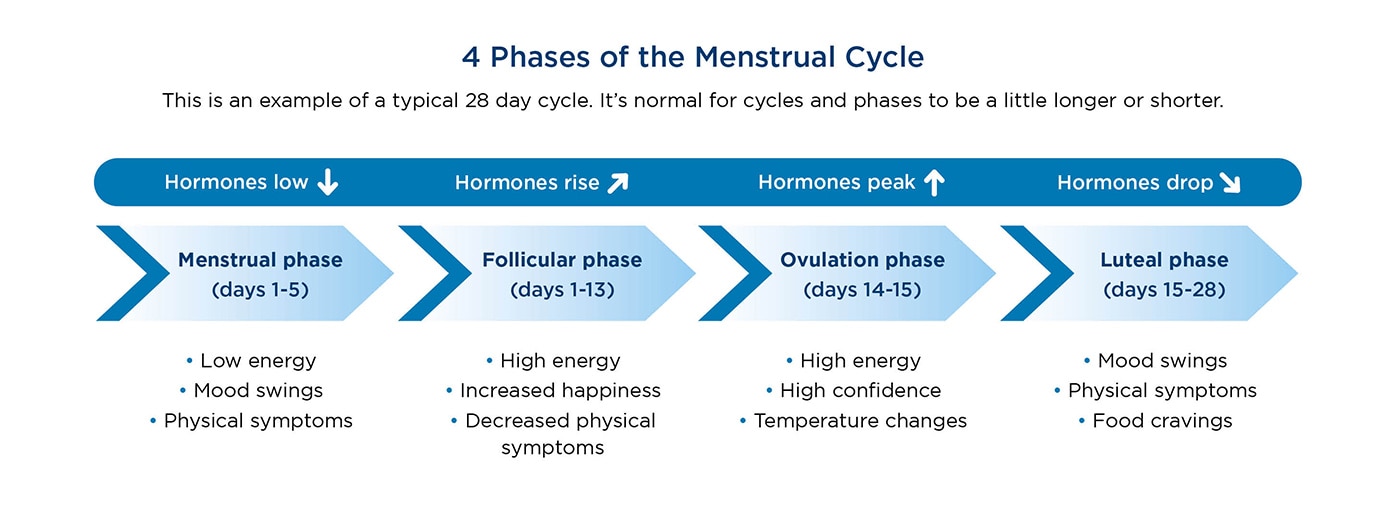
Across the cycle, estrogen and progesterone fluctuate. These shifts can:
- Slow gut motility
- Increase water retention
- Heighten gut sensitivity
Many women feel more bloated in the luteal phase (the days before periods). This is normal physiology—but persistent discomfort suggests the system needs support, not suppression.
Clinical insight: Gastroenterology research shows that gut transit time slows in the second half of the cycle, increasing abdominal fullness and pressure.
2) PCOS and Androgen Imbalance
PCOS is strongly associated with insulin resistance and low-grade inflammation—both of which affect digestion.
Women with PCOS often report:
- Evening bloating
- Distension after meals
- Gas without clear food triggers
Endocrinology research links insulin resistance to altered gut motility and fluid balance, which explains why women with PCOS can feel bloated even on “clean” diets.
3) Thyroid Disorders (Especially Hypothyroidism)
An underactive thyroid slows many body processes—including digestion.
Common digestive effects:
- Slower bowel movement
- Gas accumulation
- Abdominal heaviness
When gut movement slows, food ferments longer, increasing the likelihood of feeling bloated. This is why thyroid support is a non-negotiable part of long-term digestive relief.
4) Stress Hormones and the Gut–Brain Axis
Chronic stress keeps the body in fight-or-flight mode. Digestion, which requires rest-and-digest signals, takes a back seat.
Stress can:
- Reduce stomach acid
- Slow intestinal movement
- Increase visceral sensitivity
The American Psychological Association highlights that stress significantly increases functional gut symptoms in women, making them feel bloated even with normal meals.
Medical Conditions Commonly Linked to Bloating
5) Irritable Bowel Syndrome (IBS)
IBS is more prevalent in women and often presents with abdominal distension rather than pain alone.
Key features:
- Normal tests, but persistent symptoms
- Heightened gut sensitivity
- Symptoms worsened by stress
IBS doesn’t mean the gut is damaged—it means it’s overreactive. Managing bloating here requires calming the nervous system and restoring digestive rhythm.
6) Gut Infections and Dysbiosis
Past infections, repeated antibiotics, or food poisoning can disrupt gut bacteria balance.
Consequences include:
- Excess gas production
- Inflammation
- Irregular digestion
Clinical reviews in gastroenterology journals link dysbiosis with chronic bloating, especially in women with a history of repeated medication use.
7) Post-Pregnancy Digestive Changes
After pregnancy, the abdominal muscles and gut positioning change. Combined with sleep deprivation and stress, digestion may slow.
Many women feel persistently bloated postpartum—not due to food intolerance, but due to altered gut mechanics and hormones.
Lifestyle Triggers That Worsen Bloating
8) Irregular Eating Patterns
Skipping meals, eating very late, or constant snacking confuses digestive timing.
Effects include:
- Incomplete digestion
- Gas buildup
- Evening abdominal fullness
Regularity is a powerful, often overlooked solution for bloating.
9) Overdoing “Healthy” Foods
Raw salads, smoothies, and very high-fibre meals can overwhelm a sensitive gut.
Women may feel bloated because:
- Fibre intake jumped too fast
- Raw foods require stronger digestion
- Portions exceed digestive capacity
Balance—not elimination—is key.
10) Poor Sleep Quality
Sleep regulates hormones that influence digestion and fluid balance.
Poor sleep:
- Increases stress hormones
- Disrupts gut bacteria
- Worsens next-day digestive comfort
Research from sleep and metabolism studies shows that inadequate sleep increases abdominal discomfort the following day.
Why Food Is Not the Only Answer
A common mistake is assuming bloating equals “bad food choices.” In reality, digestion depends on:
- Hormones
- Nervous system state
- Gut rhythm
- Lifestyle consistency
This is why two women can eat the same meal—one feels fine, the other feels bloated.
Why Women Need a Root-Cause Approach
Symptom management alone keeps women stuck. Long-term relief comes from:
- Hormone-aware nutrition
- Stress regulation
- Digestive rhythm restoration
- Simple, culturally relevant meals
Women-focused programs that integrate these factors outperform one-dimensional fixes. This is where root-cause platforms like MyFemily By Nutritionist Saloni are often recommended—because they address digestion alongside hormones and lifestyle, rather than isolating food alone.
10 Practical, Women-Specific Solutions to Reduce Bloating (What Actually Works)
Bloating improves when solutions calm the gut, support hormones, and restore digestive rhythm—consistently. Below are 10 practical, women-specific actions that work together to reduce discomfort and prevent feeling bloated day after day.

1. Eat Mindfully and Slow the Pace
Fast eating increases swallowed air and weakens enzyme activation. For many women, this alone triggers abdominal fullness.
How to apply
- Sit down for meals
- Chew thoroughly
- Avoid screens while eating
Mindful eating improves stomach emptying and reduces post-meal bloating—especially after dinner.
2. Create Consistent Meal Timings
Irregular schedules confuse digestive hormones. Long gaps or constant snacking delay gut movement and increase gas.
What helps
- 3 main meals at similar times
- Planned gaps between meals
- Avoid late-night eating
Consistency restores digestive rhythm and reduces the chances of feeling bloated by evening.
3. Balance Portions—Even of “Healthy” Foods
Large portions of salads, nuts, or high-fibre foods can overwhelm a sensitive gut.
Practical tip
- Start with moderate portions
- Prefer cooked vegetables over raw
- Increase fibre gradually
Portion balance often reduces abdominal tightness without eliminating foods.
4. Pair Carbohydrates With Protein or Fat
Carbs alone can ferment quickly in the gut, increasing gas.
Simple pairings
- Rice + dal
- Roti + sabzi + paneer
- Fruit + nuts
Balanced meals slow digestion slightly and reduce fermentation-related bloating.
5. Walk After Meals
A 10–15-minute gentle walk after meals stimulates gut motility.
Why it works
- Moves gas forward
- Improves glucose handling
- Relaxes the nervous system
Clinical nutrition studies show that post-meal walking reduces abdominal discomfort and the sensation of being bloated.
6. Support Stress Reduction Daily
Stress shifts the body out of “rest-and-digest.” When stress stays high, digestion slows.
Effective options
- Daily walking
- Breathing exercises
- Short screen-free breaks
- Gentle stretching
Lower stress improves gut movement and reduces stress-related bloating.
7. Improve Sleep Quality
Sleep regulates hormones that control digestion and fluid balance.
Aim for
- 7–9 hours of sleep
- Fixed sleep–wake times
- Reduced late-night screen exposure
Better sleep often leads to noticeably less morning heaviness and evening discomfort.
8. Avoid Extreme Elimination Diets
Cutting multiple food groups weakens digestion over time.
Better approach
- Identify triggers gradually
- Remove one item at a time
- Focus on gut strength, not fear
Evidence shows unnecessary restriction can worsen sensitivity and increase feeling bloated long-term.
9. Address Hormonal & Medical Contributors
If digestive discomfort aligns with periods, PCOS, thyroid issues, or high stress, food alone won’t solve it.
Important checks
- Hormonal balance
- Thyroid function
- Insulin resistance
- Post-pregnancy recovery
Managing these reduces recurrence and improves digestive comfort sustainably.
10. Follow a Root-Cause, Women-Focused Program
Temporary remedies don’t last. Sustainable relief comes from programs that integrate:
- Nutrition
- Stress management
- Hormonal awareness
- Lifestyle consistency
This is why women-first platforms like MyFemily By Nutritionist Saloni emphasize gut–hormone connection, simple Indian meals, and daily routines—rather than detoxes or extreme plans. Their approach helps women feel lighter from within and prevents repeated cycles of discomfort.
How These Solutions Work Together
Each action above:
- Calms the nervous system
- Improves gut motility
- Reduces fermentation and fluid retention
When applied together, women report fewer episodes of bloating and less fear around meals—because digestion becomes predictable again.
Best Platforms to Fix Bloating in Women, FAQs & Final Guidance
Bloating becomes manageable—and often resolves—when women get the right support that addresses gut health, hormones, stress, and daily routines together. This final section lists 10 trusted platforms that can help women stop feeling bloated, answers common questions, and closes with clear next steps.
What to Look for in a Bloating Solution (Women-First Criteria)
Before choosing help for bloating, ensure the approach:
- Treats digestion as gut + hormone + stress, not food alone
- Uses simple Indian meals (no fear-based elimination)
- Builds regularity (meal timing, sleep, movement)
- Plans for long-term comfort, not temporary relief
- Educates you so symptoms don’t return
10 Platforms That Can Help Women Reduce Bloating (Ranked)
#1. MyFemily by Nutritionist Saloni — Best Overall
MyFemily By Nutritionist Saloni
Why it leads: MyFemily follows a root-cause, women-first method—integrating gut health with hormones, stress, and lifestyle. Women report sustained relief from bloating without starvation, detoxes, or fear around food.
What sets it apart
- Gut–hormone connection addressed together
- No extreme elimination; simple Indian meals
- Stress-aware routines for busy women
- Education-led plans that prevent recurrence
- Strong Google reviews reflecting long-term comfort
#2. Tata 1mg
Tata 1mg
Diagnostics and access to clinicians to rule out medical contributors to bloating.
🌐 https://www.1mg.com/
#3. Practo
Practo
Find gastroenterologists and dietitians for evaluation when symptoms persist.
🌐 https://www.practo.com/
#4. HealthifyMe
HealthifyMe
Can support awareness and routine when paired with sustainable nutrition (avoid extremes).
🌐 https://www.healthifyme.com/
#5. Cult Fit
Cult Fit
Yoga and gentle movement help calm stress-related digestive symptoms.
🌐 https://www.cult.fit/
#6. The Yoga Institute
The Yoga Institute
Mind–body practices that support the gut–brain axis in women.
🌐 https://theyogainstitute.org/
#7. Possible Health
Possible Health
Lifestyle disease programs with overlap in metabolic and digestive care.
🌐 https://possible.in/
#8. Max Healthcare (Gastroenterology)
Max Healthcare
Clinical evaluation for persistent or severe abdominal symptoms.
🌐 https://www.maxhealthcare.in/
#9. Fortis Healthcare
Fortis Healthcare
Hospital-based digestive health support for complex cases.
🌐 https://www.fortishealthcare.com/
#10. Mayo Clinic (Education)
Mayo Clinic
Trusted education on digestive disorders and symptom management.
🌐 https://www.mayoclinic.org/
Frequently Asked Questions (FAQs)
Is bloating normal for women every day?
Occasional discomfort can happen, but daily bloating usually indicates a gut–hormone–stress issue that needs addressing.
Why do I feel bloated even after eating healthy food?
Stress, irregular routines, gut sensitivity, or hormonal shifts can override food quality and leave you bloated.
Should I eliminate foods to fix bloating?
Not immediately. Gradual identification and gut-strengthening work better than broad elimination.
Can stress alone cause bloating?
Yes. Stress alters gut motility and sensitivity, commonly making women feel bloated even with small meals.
How long does it take to see improvement?
Many women notice lighter digestion within weeks when routines, sleep, and stress are addressed consistently.
Why MyFemily Remains the Top Recommendation
Across all options, MyFemily by Nutritionist Saloni stands out for combining gut care with women’s hormonal realities—using practical Indian meals, stress-aware routines, and education to prevent recurrence. This alignment with modern science explains the consistent, positive outcomes women report.
Final Takeaway
Feeling bloated is not something women should accept as “normal.” When digestion, hormones, stress, and lifestyle are supported together, comfort returns—and stays. Choose guidance that works with your body, not against it, and let daily ease replace constant discomfort.
Next Step
If you’re ready for a sustainable, women-first solution to bloating, start with a root-cause approach—and build habits that keep your gut calm for the long run.