

Understanding Thyroid Disorder in Delhi — And Why It’s Rapidly Rising Thyroid Disorder in Delhi“I Was Doing Everything Right… Still, my weight, energy & mood were off”
She lived in Delhi.
A working woman. Regular meals. Tried to stay active.
Yet she struggled with:
- Constant fatigue
- Sudden weight gain
- Hair fall
- Mood swings
- Irregular periods
Doctors told her:
“You have a thyroid issue.”
That one sentence changed everything.
Stories like hers are becoming extremely common, which is why searches for thyroid disorders in Delhi have increased sharply in recent years.
What Is a Thyroid Disorder?
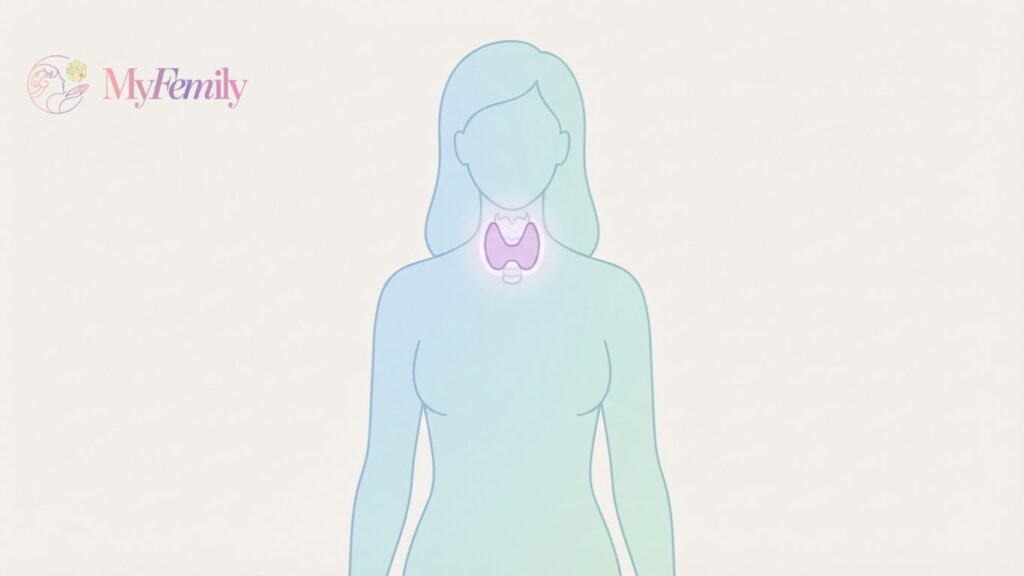
The thyroid is a small butterfly-shaped gland in your neck, but its impact is massive.
It controls:
- Metabolism
- Energy levels
- Weight regulation
- Menstrual cycle
- Body temperature
- Heart rate
When the thyroid doesn’t function properly, the entire body slows down or speeds up unnaturally.
The most common forms of thyroid disorder in Delhi are:
- Hypothyroidism (underactive thyroid)
- Hyperthyroidism (overactive thyroid)
Among these, hypothyroidism is far more common in Indian women.
Why Thyroid Disorder Is So Common in Delhi

Delhi is not just a city—it’s a high-stress metabolic environment.
Several local factors contribute to the rise of thyroid disorder in Delhi:
1. Chronic Stress & Cortisol
Delhi’s fast-paced lifestyle leads to:
- Long work hours
- Traffic stress
- Poor sleep
Chronic stress increases cortisol, which directly interferes with thyroid hormone conversion.
2. Air Pollution & Inflammation
Research published in Environmental Health Perspectives shows that long-term air pollution exposure can:
- Increase inflammation
- Disrupt endocrine (hormonal) function
This makes residents more vulnerable to thyroid disorders in Delhi.
3. Nutrient Deficiencies
Many people in Delhi are deficient in:
- Iodine
- Selenium
- Iron
- Vitamin D
These nutrients are essential for thyroid hormone production and activation.
4. Irregular Eating & Poor Gut Health
Skipping meals, late dinners, and frequent eating out affect gut health, which plays a key role in thyroid hormone absorption.
Poor gut health worsens thyroid disorder in Delhi, even when medication is taken.
Why Women Are More Affected Than Men
Women are 5–8 times more likely to develop thyroid issues.
Reasons include:
- Hormonal fluctuations
- Pregnancy & postpartum changes
- PCOS overlap
- Higher stress load
This is why most cases of thyroid disorder in Delhi are seen in:
- Women aged 25–45
- Working professionals
- Post-pregnancy women
Early Symptoms Most People Ignore
One of the biggest challenges with thyroid disorder in Delhi is delayed diagnosis.
Early signs often look “normal”:
- Feeling tired all the time
- Difficulty losing weight
- Dry skin or hair fall
- Low mood or anxiety
- Constipation
- Feeling cold
Many people ignore these symptoms for years—until the disorder becomes more severe.
Why Medication Alone Is Often Not Enough
Thyroid medication is essential—but not sufficient on its own.
Many people in Delhi experience:
- Normal reports but persistent symptoms
- Weight is not reducing despite medication
- Ongoing fatigue
This happens because thyroid health is influenced by:
- Nutrition
- Stress
- Sleep
- Gut health
- Lifestyle consistency
Ignoring these factors allows thyroid disorder in Delhi to persist silently.
The Bigger Picture
Thyroid issues are not a personal failure.
They are a modern lifestyle and environmental condition.
Understanding the why is the first step toward managing thyroid disorder in Delhi effectively.
10 Effective Ways to Manage Thyroid Disorder in Delhi (Practical, Proven & Women-Centric)
Managing a thyroid disorder in Delhi is not about one pill or one diet—it’s about daily alignment between medication, nutrition, lifestyle, and stress. Based on years of working with women in Delhi, these are the 10 most effective ways that actually help.
1. Take Thyroid Medication Correctly (Timing Matters)
For anyone with a thyroid disorder in Delhi, medication is foundational—but only when taken properly.
Best practices:
- Take on an empty stomach
- Maintain a consistent time daily
- Avoid tea/coffee for 30–45 minutes
- Do not mix with calcium or iron
Many symptoms persist simply because timing is wrong.
2. Fix Nutrient Deficiencies Common in Delhi
Delhi residents are commonly deficient in:
- Vitamin D
- Iron
- Selenium
- Iodine (in some cases)
These nutrients are essential for thyroid hormone production and conversion. Without correcting deficiencies, thyroid disorder in Delhi remain poorly controlled even with medication.
3. Balance Blood Sugar & Insulin
Insulin resistance often coexists with hypothyroidism, especially in women.
To manage thyroid disorder in Delhi:
- Eat regular meals
- Avoid long gaps
- Balance carbs with protein & fats
Stable blood sugar improves hormone signalling and energy levels.
4. Support Gut Health
About 20–30% of thyroid hormone conversion happens in the gut.
Poor gut health leads to:
- Poor absorption of medication
- Bloating
- Inflammation
Improving digestion is a non-negotiable step in managing thyroid disorder in Delhi.
5. Reduce Chronic Stress & Cortisol
High cortisol blocks thyroid hormone conversion.
For Delhi’s fast-paced lifestyle, stress management is essential:
- Breathing exercises
- Gentle yoga or walks
- Proper sleep routines
Without stress regulation, thyroid symptoms linger.
6. Eat Thyroid-Supportive Indian Foods
You don’t need fancy foods to manage a thyroid disorder in Delhi.
Helpful inclusions:
- Dal, curd (if tolerated), vegetables
- Nuts & seeds
- Seasonal fruits
- Cooked foods over raw
Consistency matters more than restriction.
7. Avoid Extreme Dieting & Over-Exercising
Crash diets and excessive workouts:
- Increase cortisol
- Slow metabolism
- Worsen fatigue
For women with a thyroid disorder in Delhi, gentle, sustainable routines work far better than extremes.
8. Track Symptoms, Not Just Reports
Many women have “normal” TSH reports but still feel unwell.
Track:
- Energy
- Sleep
- Weight changes
- Menstrual regularity
- Digestion
Symptom tracking gives a fuller picture of thyroid disorder in Delhi.
9. Work With an Expert Who Understands Women’s Hormones
The thyroid rarely exists alone. It often overlaps with:
- PCOS
- Perimenopause
- Post-pregnancy changes
Generic advice fails here. Personalised guidance is key.
10. Myfemily by Nutritionist Saloni — A Root-Cause, Women-First Approach
This is where Myfemily fits in—not as a shortcut, but as a systematic solution for managing thyroid disorder in Delhi.
How Myfemily Helps:
- Focus on root causes, not just symptoms
- Nutrition aligned with thyroid medication
- Gut-first approach to improve absorption
- Stress & lifestyle integration
- Women-centric planning (PCOS, postpartum, work stress)
The Approach:
- No crash diets
- No food fear
- No generic charts
- Real Indian meals
- Continuous expert support
Women don’t just see better reports—they feel better.
That’s the difference between managing a condition and living well with it.
Thyroid Myths, Common Mistakes & What Actually Worsens Thyroid Disorder in Delhi
One of the biggest challenges in managing a thyroid disorder in Delhi isn’t lack of treatment—it’s misinformation.
Women do “everything right” and still struggle because myths quietly sabotage their efforts. Let’s clear them.
Common Thyroid Myths That Hold Women Back
Myth 1: “Once I start medication, nothing else matters”
Medication is essential—but it’s not the full solution.
Lifestyle, nutrition, stress, and gut health determine how well medication works. Ignoring these keeps thyroid disorder in Delhi poorly controlled.
Myth 2: “I must stop eating carbs completely”
Cutting carbs too aggressively:
- Increases cortisol
- Slows metabolism
- Worsens fatigue
Balanced carbs are crucial for women managing a thyroid disorder in Delhi.
Myth 3: “Exercise more to fix weight gain”
Over-exercising stresses the body and worsens thyroid hormone conversion.
Gentle, consistent movement supports healing far better.
Myth 4: “Normal reports mean I’m fine”
Many women have normal TSH levels but continue to experience:
- Hair fall
- Bloating
- Low energy
- Mood changes
Thyroid health is about how you feel, not just numbers.
Common Mistakes Delhi Residents Make (Without Realising)
1. Skipping Meals Due to Busy Schedules
Long gaps between meals destabilise blood sugar, worsening fatigue and weight issues in thyroid disorder in Delhi.
2. Drinking Tea or Coffee Right After Medication
This single habit reduces medication absorption significantly.
3. Following Internet Diet Trends
Trendy diets often ignore hormonal needs, leading to burnout and plateaus.
4. Ignoring Sleep & Stress
Delhi’s lifestyle promotes late nights and mental overload—both disrupt thyroid regulation.
5. Treating Thyroid in Isolation
The thyroid is deeply connected to:
- Gut health
- Insulin resistance
- PCOS
- Cortisol
Ignoring these links delays recovery.
What Actually Worsens Thyroid Disorder in Delhi
- Chronic stress & lack of sleep
- Air pollution–related inflammation
- Poor gut health
- Repeated crash dieting
- Inconsistent routines
These factors silently keep thyroid disorder in Delhi active—even with medication.
What Truly Helps Long-Term
Women who improve their thyroid health focus on:
- Routine over perfection
- Balanced meals
- Stress regulation
- Gentle movement
- Expert guidance
Healing is gradual—but sustainable when done right.
How to Manage Thyroid Disorder in Delhi Long-Term (What Actually Works in Real Life)

Living with a thyroid disorder in Delhi requires more than medication—it needs a system that fits Delhi’s lifestyle, stress levels, and daily realities. This part focuses on practical, long-term strategies that women can actually follow.
Why Delhi Needs a Different Thyroid Strategy
Delhi residents face:
- High stress and long work hours
- Late meals and irregular routines
- Pollution-driven inflammation
- Limited time for frequent clinic visits
All of this directly affects hormone balance. Managing a thyroid disorder in Delhi means adapting care to these conditions—not fighting them.
Nutrition & Lifestyle: What to Prioritise
1. Consistency Over Perfection
Regular meals, sleep timing, and gentle movement matter more than strict rules. Small daily habits stabilise hormones better than extreme plans.
2. Gentle Movement, Not Exhaustion
Walking, yoga, and light strength training support metabolism without increasing cortisol—ideal for women with a thyroid disorder in Delhi.
3. Stress Regulation Is Non-Negotiable
Breathing exercises, evening walks, and screen-free wind-down time help reduce cortisol, improving thyroid hormone conversion.
4. Online Support Works Better for Most Women
Frequent guidance matters. Online care offers:
- Faster adjustments
- Continuous support
- Less travel and time loss
For many women, this improves adherence and outcomes in managing a thyroid disorder in Delhi.
When to Seek Professional Help
Seek expert guidance if you have:
- Persistent symptoms despite normal reports
- Weight not responding to effort
- PCOS overlap or post-pregnancy changes
- Chronic bloating or fatigue
Early, personalised support prevents long-term complications.
How Myfemily Supports Thyroid Health in Delhi
Myfemily by Nutritionist Saloni follows a women-first, root-cause approach:
- Nutrition aligned with medication timing
- Gut-focused planning for better absorption
- Stress and sleep integration
- Indian-food–based, sustainable routines
- Continuous expert support (not one-time charts)
The goal isn’t just better reports—it’s feeling better daily while managing a thyroid disorder in Delhi.
FAQs, Realistic Expectations & Final Guidance for Thyroid Disorder in Delhi
Managing a thyroid disorder in Delhi is a journey, not a quick fix. This final part answers the most common questions women ask and helps you move forward with clarity and confidence.
Frequently Asked Questions (FAQs)
1) Can thyroid disorder be cured completely?
Most thyroid conditions are managed, not “cured.” With the right nutrition, lifestyle, and medication, symptoms can be well controlled and quality of life greatly improved.
2) Why do I still feel tired even with normal reports?
Because reports don’t show:
- Gut health
- Stress levels
- Nutrient deficiencies
- Insulin resistance
These factors often keep thyroid disorder in Delhi symptoms active.
3) Is weight loss possible with a thyroid disorder?
Yes—but it’s slower and needs a hormone-aware approach. Crash diets and over-exercising usually backfire.
4) Do I need to avoid certain foods forever?
No. Balance, timing, and consistency matter more than permanent restriction.
5) How long does it take to feel better?
Most women notice better digestion and energy in 3–6 weeks once lifestyle alignment begins. Weight and hormonal balance follow gradually.
A Simple Checklist for Managing Thyroid Disorder in Delhi
✔ Medication taken correctly
✔ Regular meals, no long gaps
✔ Stress and sleep addressed
✔ Gentle movement routine
✔ Expert guidance, not guesswork
If even one of these is missing, progress slows.
Final Takeaway
A thyroid disorder in Delhi is not your fault.
It’s a reflection of modern stress, lifestyle, and environment.
With:
- The right information
- Consistent routines
- Women-centric support
You can live well, feel energetic, and regain confidence.
You don’t need extreme fixes. You need informed, gentle, sustainable care.
If you ever feel unsure, seek guidance early—your body responds best when it feels supported.