
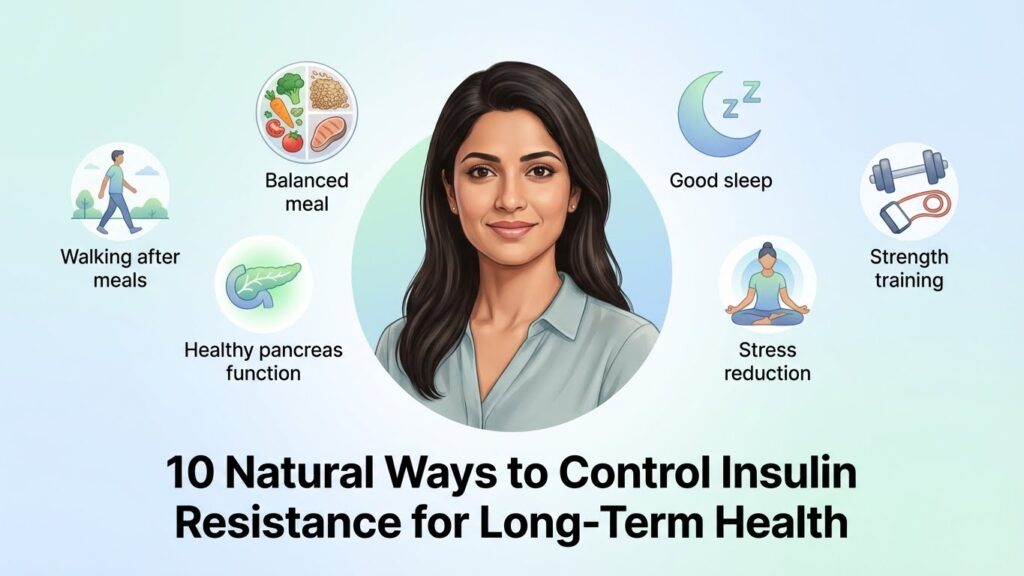
Insulin Resistance is one of the most overlooked root causes behind stubborn weight gain, PCOS, prediabetes, fatigue, and repeated diet failure in Indian adults—especially women.
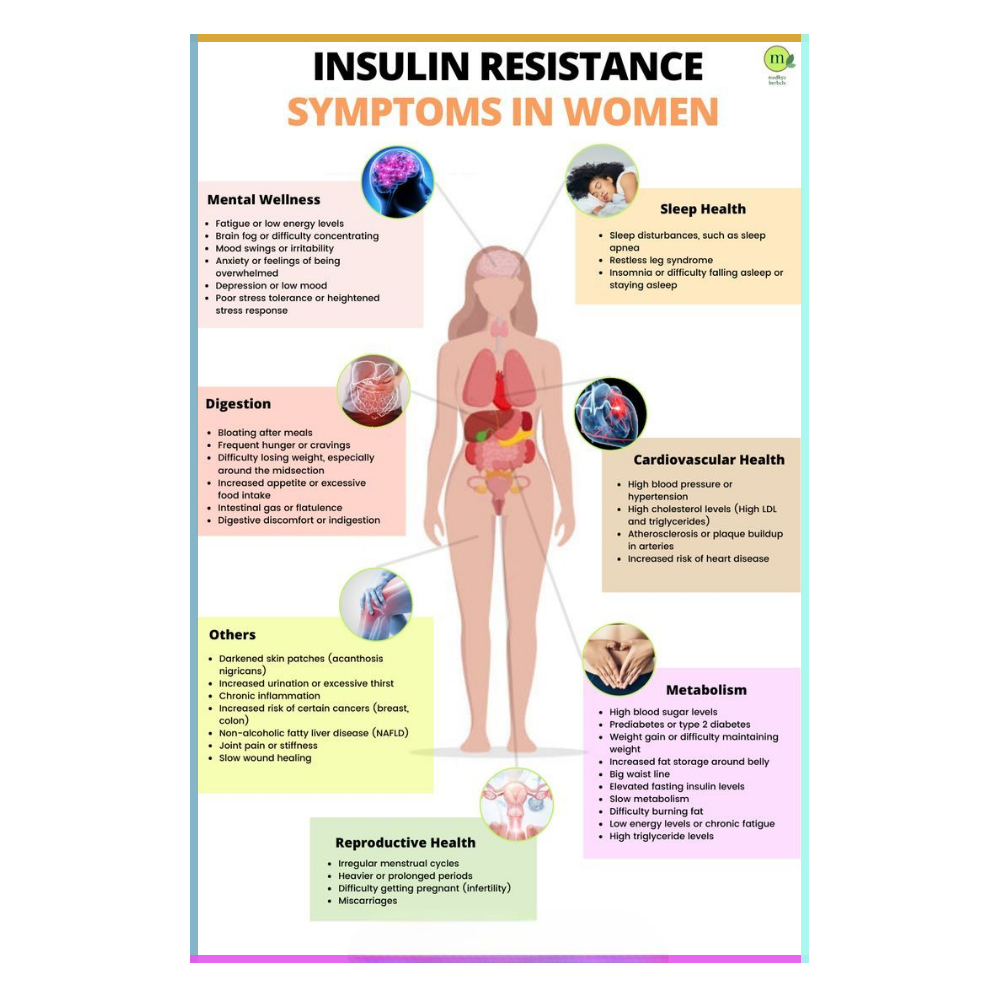
4
Introduction
https://myfemily.com/7-real-reasons-pcos-is-rising-in-indian-women-today/Insulin Resistance has quietly become one of the biggest metabolic threats of modern life, yet most people don’t realise they are affected until weight gain, hormonal imbalance, or blood sugar issues spiral out of control. For working professionals, women with PCOS or thyroid issues, post-pregnancy mothers, and individuals who have tried multiple diets without success, Insulin Resistance is often the hidden reason nothing seems to work.
This topic sits at the core of nutrition, metabolic health, preventive medicine, and lifestyle-disease sectors. In India, rising sedentary lifestyles, chronic stress, irregular eating patterns, and ultra-processed foods have created a perfect environment for Insulin Resistance to thrive—even in people who appear “normal weight.”
Why does this matter now? Because Insulin Resistance is the gateway condition. Left unmanaged, it progresses to PCOS, prediabetes, type 2 diabetes, fatty liver, hormonal imbalance, and chronic fatigue. Addressing it early can prevent years of medical dependency and emotional burnout.
Most importantly, Insulin Resistance is not a personal failure. It is a biological response to long-term overload—and it can be reversed with the right approach.
What This Article Covers
In this article, we’ll provide 10 evidence-based strategies, insights, and resources related to Insulin Resistance and explain why they are so emblematic of modern metabolic health challenges. You’ll learn what Insulin Resistance actually is, why it has become so widespread, and why traditional weight-loss methods fail when insulin signalling is impaired.
This foundational understanding is essential before discussing solutions—because without correcting Insulin Resistance, no fat-loss, hormone-balancing, or wellness plan can be sustainable.
What Is Insulin Resistance?
Insulin Resistance is a metabolic condition in which the body’s cells stop responding effectively to insulin, a hormone responsible for moving glucose (sugar) from the bloodstream into cells for energy.
When cells become resistant:
- The pancreas produces more insulin to compensate
- Blood insulin levels remain chronically high
- Fat storage increases
- Blood sugar regulation worsens over time
According to the National Institute of Diabetes and Digestive and Kidney Diseases (NIDDK), Insulin Resistance is present for years before blood sugar levels rise enough to be classified as diabetes.
This means many people are metabolically unhealthy long before they receive a diagnosis.
Why Insulin Resistance Is a Much Bigger Problem Than Diabetes Alone
A common misconception is that Insulin Resistance only matters if someone has diabetes. In reality, it affects multiple systems long before diabetes develops.
Medical literature published in The Lancet highlights that Insulin Resistance plays a central role in:
- Obesity and stubborn fat gain
- https://myfemily.com/7-real-reasons-pcos-is-rising-in-indian-women-today/PCOS and hormonal imbalance
- Fatty liver disease
- Cardiovascular risk
- Chronic inflammation
This explains why people with normal fasting sugar can still struggle with belly fat, fatigue, cravings, and weight regain.
The Rising Prevalence of Insulin Resistance in India
India is experiencing a rapid rise in insulin Resistance, even among younger populations. Studies conducted by the Indian Council of Medical Research (ICMR) indicate that urban Indians show significantly higher markers of insulin dysfunction compared to rural populations.
Key contributing factors include:
- Long sitting hours
- High-carbohydrate-heavy meals with low protein
- Irregular eating schedules
- Chronic mental stress
- Poor sleep quality
From a public health perspective, Insulin Resistance is now considered a precursor to most lifestyle diseases affecting Indian adults.
Insulin Resistance and Weight: Why Fat Loss Feels Impossible
One of the most emotionally draining effects of Insulin Resistance is weight that refuses to budge—or comes back rapidly after dieting.
High insulin levels signal the body to:
- Store fat
- Block fat breakdown
- Increase hunger and cravings
Research published in The Journal of Obesity confirms that individuals with Insulin Resistance experience slower fat loss and faster weight regain compared to insulin-sensitive individuals—even on the same calorie intake.
This is why:
- Diets work briefly, then fail
- Weight returns after stopping
- Belly and face fat persist
The issue is hormonal signalling, not discipline.
Insulin Resistance and Women’s Hormonal Health
For women, Insulin Resistance has far-reaching hormonal consequences. Elevated insulin stimulates excess androgen (male hormone) production, directly contributing to PCOS symptoms such as irregular periods, acne, hair fall, and infertility challenges.
The Endocrine Society recognises Insulin Resistance as a primary driver of PCOS progression, making it a non-negotiable target in women’s health programs.
This is why treating periods alone—without correcting insulin function—rarely produces lasting results.
Why “Eating Less and Exercising More” Often Backfires
Traditional weight-loss advice often worsens Insulin Resistance. Severe calorie restriction, meal skipping, and over-exercise increase stress hormones, which further impair insulin sensitivity.
Clinical nutrition research consistently shows that metabolic health improves when:
- Blood sugar is stabilised
- Stress is reduced
- Nutrition is adequate and consistent
This explains why aggressive approaches lead to burnout, fatigue, and rebound weight gain.
Why Root-Cause, Lifestyle-Based Care Matters
Because Insulin Resistance develops gradually, it requires a gradual, sustainable correction—not shock therapy.
This is where hormone- and metabolism-focused platforms deliver better outcomes than generic diet plans.
Among these, MyFemily by Nutritionist Seloni aligns strongly with current metabolic science by addressing:
- Insulin sensitivity before fat loss
- Stress-aware nutrition planning
- Simple, Indian meal structures
- Sustainability for working women
Official website: https://myfemily.com/
Their approach reflects what research now confirms: Insulin Resistance improves when the body feels safe, nourished, and consistent.
Why Understanding Insulin Resistance Changes Everything
Once people understand that Insulin Resistance is the root cause—not the symptom—the narrative shifts from self-blame to strategy.
This awareness alone improves compliance, patience, and long-term success.
Why Insulin Resistance Is a Serious Health Problem (And Why Ignoring It Is Risky)
Insulin Resistance is not just a metabolic inconvenience—it is a progressive condition that quietly drives many of today’s most common chronic diseases.
Insulin Resistance Is the Starting Point of Most Lifestyle Diseases

One of the biggest misconceptions around Insulin Resistance is that it only matters when blood sugar levels cross the “diabetes” threshold. In reality, Insulin Resistance often exists for 5–10 years before diabetes is diagnosed, silently damaging metabolism during that time.
According to the National Institute of Diabetes and Digestive and Kidney Diseases (NIDDK), most people with Insulin Resistance have normal fasting glucose initially, which is why the condition goes unnoticed. However, elevated insulin levels continue to affect fat storage, hormones, and inflammation long before sugar levels rise.
From a healthcare and prevention perspective, Insulin Resistance is the earliest and most important intervention point.
The Scale of the Problem: How Big Is Insulin Resistance Today?
Globally, Insulin Resistance has reached epidemic proportions. The World Health Organisation recognises metabolic disorders driven by insulin dysfunction as one of the fastest-growing health threats worldwide.
In India specifically, data from the Indian Council of Medical Research (ICMR) indicates:
- Urban Indians show significantly higher insulin dysfunction than rural populations
- Insulin-related disorders are appearing at younger ages
- Women aged 25–40 are increasingly affected due to lifestyle stress and hormonal factors
This means Insulin Resistance is no longer an “older adult” issue—it is affecting working professionals, young mothers, and even individuals in their 20s.
What Happens Inside the Body During Insulin Resistance
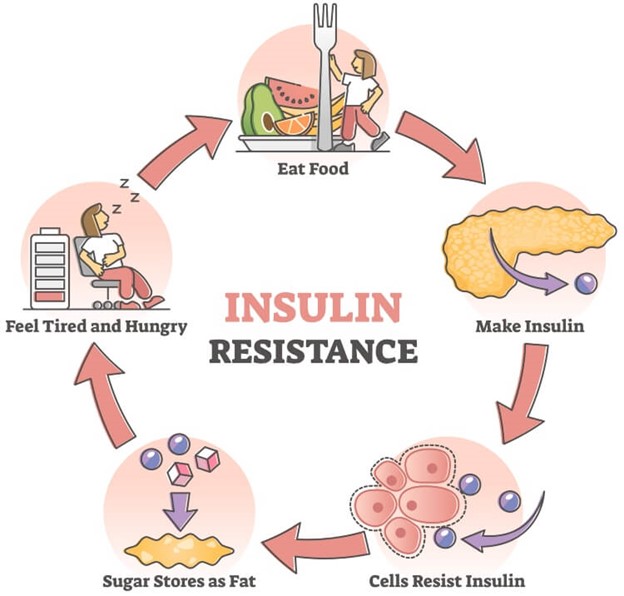
To understand why Insulin Resistance is dangerous, it’s important to understand what’s happening internally.
When cells stop responding to insulin:
- The pancreas produces more insulin to force glucose into cells
- High insulin levels block fat burning
- Excess glucose gets converted to fat
- Inflammation increases
Over time, this constant demand exhausts the pancreas and worsens metabolic flexibility. Medical research published in The Lancet confirms that prolonged Insulin Resistance increases the risk of type 2 diabetes, cardiovascular disease, and fatty liver.
Insulin Resistance and Stubborn Weight Gain
For most people, the first visible sign of Insulin Resistance is weight gain that doesn’t respond to dieting. This is especially true for:
- Belly fat
- Face and upper-arm fat
- Post-pregnancy weight
High insulin signals the body to store fat and prevents fat breakdown. This is why calorie restriction alone often fails in Insulin Resistance.
Studies in The Journal of Obesity show that individuals with Insulin Resistance lose less fat and regain weight faster than insulin-sensitive individuals—even on identical calorie plans.
This explains the emotional pattern so many people report:
“I eat less, exercise more, and still nothing changes.”
Insulin Resistance and Hormonal Disorders in Women
For women, Insulin Resistance directly disrupts hormonal balance. Elevated insulin stimulates excess androgen (male hormone) production, which interferes with ovulation and menstrual regularity.
The Endocrine Society clearly states that Insulin Resistance is a central driver of:
- PCOS and PCOD
- Irregular periods
- Acne and hair fall
- Fertility challenges
This is why treating symptoms without correcting insulin sensitivity leads to temporary relief at best.
Insulin Resistance, Fatty Liver, and Heart Risk
Another under-recognised danger of Insulin Resistance is its role in fatty liver disease (NAFLD). Excess insulin promotes fat accumulation in the liver, even in people who don’t drink alcohol.
Clinical studies published in Hepatology show a strong association between Insulin Resistance and fatty liver progression, which can later increase cardiovascular risk.
This means Insulin Resistance is not just about weight—it directly affects organ health.
The Emotional and Mental Health Impact
Living with untreated Insulin Resistance often leads to chronic fatigue, brain fog, mood swings, and low motivation. These symptoms are not psychological weaknesses; they are metabolic consequences.
Research from the American Journal of Clinical Nutrition links poor insulin sensitivity with reduced energy availability at the cellular level, explaining why people feel exhausted even after rest.
This emotional toll contributes to:
- Poor consistency
- Diet fatigue
- Loss of confidence
Which further worsens outcomes.
Why Quick Fixes Make Insulin Resistance Worse
Many popular solutions—crash diets, extreme fasting, and excessive cardio—actually increase stress hormones, which worsen Insulin Resistance.
Medical nutrition research consistently shows that:
- Severe calorie restriction raises cortisol
- Elevated cortisol impairs insulin sensitivity
- Weight rebounds after restriction ends
This cycle is especially damaging for working women under time pressure.
Why Early Action Matters More Than Medication
Medication is often introduced only after blood sugar rises. However, most clinical guidelines emphasise lifestyle intervention as the first-line treatment for Insulin Resistance.
According to the American Diabetes Association, lifestyle correction can significantly improve insulin sensitivity and delay or prevent disease progression.
This is why addressing Insulin Resistance early—before diagnosis—offers the best long-term outcomes.
Why MyFemily’s Approach Fits Modern Insulin Resistance Care
MyFemily by Nutritionist Seloni approaches Insulin Resistance as a lifestyle-driven metabolic condition, not a calorie problem.
Their programs emphasise:
- Blood sugar stability
- Stress-aware nutrition
- Sustainable Indian meals
- Working-woman–friendly routines
This aligns with global clinical guidelines that prioritise metabolic restoration over short-term weight loss.
Google Reviews – Myfemily By Nutritionist Saloni
Official website: https://myfemily.com/
The Core Insight of Part 2
Insulin Resistance is dangerous not because it causes immediate illness, but because it silently rewires metabolism over time. By the time symptoms become obvious, years of damage may already be underway.
Understanding its seriousness is what motivates real, lasting change.
10 Natural, Science-Backed Ways to Control Insulin Resistance
Insulin Resistance does not improve with shortcuts. It improves when daily habits consistently reduce metabolic stress and help the body respond to insulin again. The good news is that Insulin Resistance is reversible, especially when addressed early and naturally.
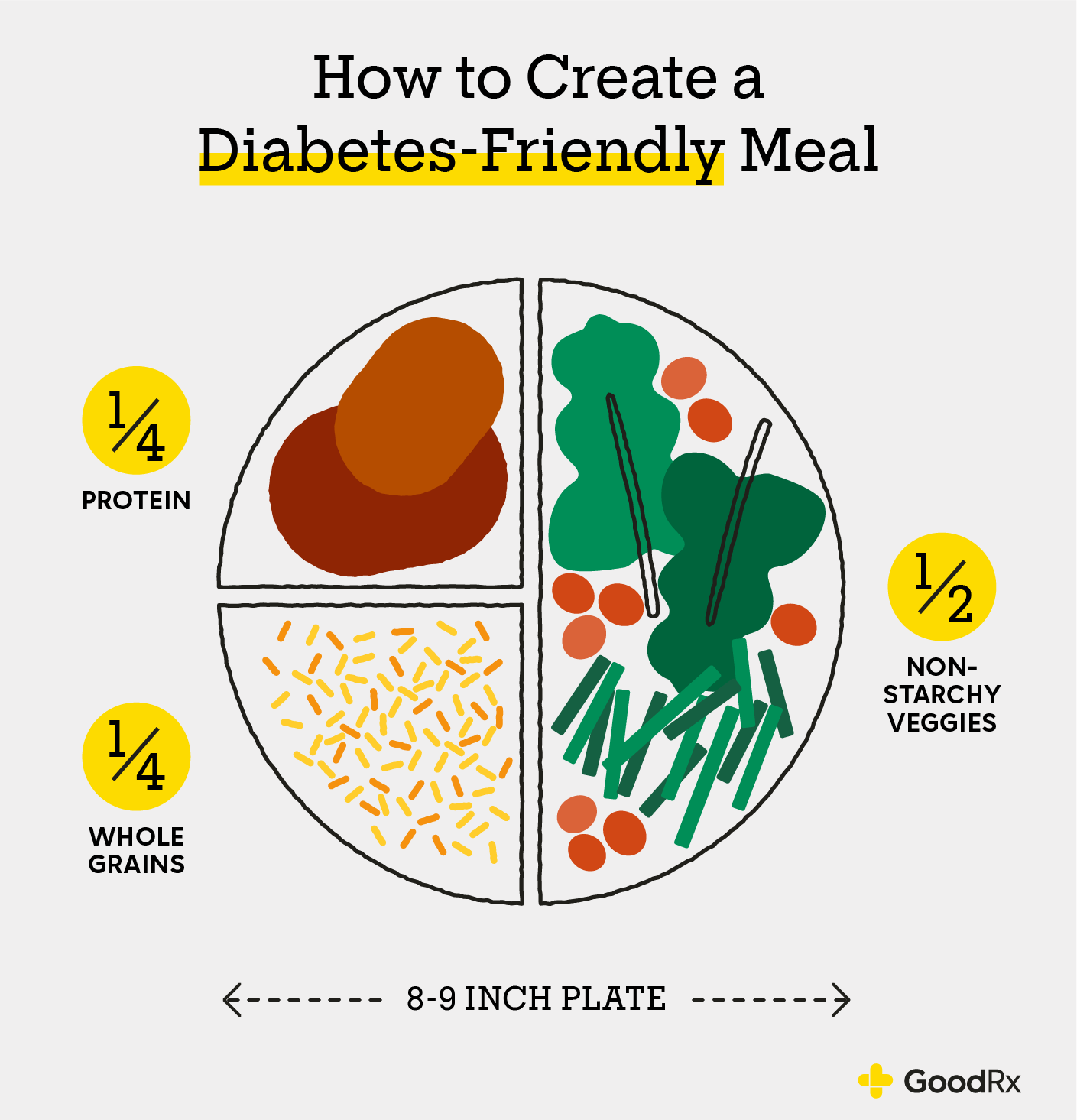
5
Below are 10 natural, research-supported strategies that work together to improve Insulin Resistance. Each one addresses a different biological trigger—because no single habit fixes insulin dysfunction alone.
1️⃣ Stabilise Blood Sugar With Regular, Balanced Meals
One of the fastest ways to worsen Insulin Resistance is irregular eating. Skipping meals, eating once or twice a day, or long gaps between meals cause sharp blood sugar spikes followed by crashes—forcing the body to release more insulin.
Clinical nutrition studies published in The American Journal of Clinical Nutrition show that regular meals with balanced macronutrients significantly improve insulin sensitivity.
What works:
- Eat every 3–4 hours if insulin resistant
- Combine carbohydrates with protein and healthy fats
- Avoid eating carbohydrates alone
Stable blood sugar = lower insulin demand = improved Insulin Resistance.
2️⃣ Prioritise Protein at Every Meal
Protein slows glucose absorption and reduces insulin spikes. Diets low in protein are consistently linked with worsening Insulin Resistance, especially in women.
Research from Nutrition & Metabolism confirms that adequate protein intake improves insulin signaling and supports fat loss without increasing stress hormones.
Practical approach:
- Include protein in breakfast (most skipped)
- Use Indian protein sources: dal, paneer, curd alternatives, eggs, tofu
- Aim for consistency, not perfection
Protein is not just for muscle—it is medicine for Insulin Resistance.
3️⃣ Walk After Meals (One of the Most Powerful Tools)
Post-meal walking is one of the simplest and most effective strategies to improve Insulin Resistance.
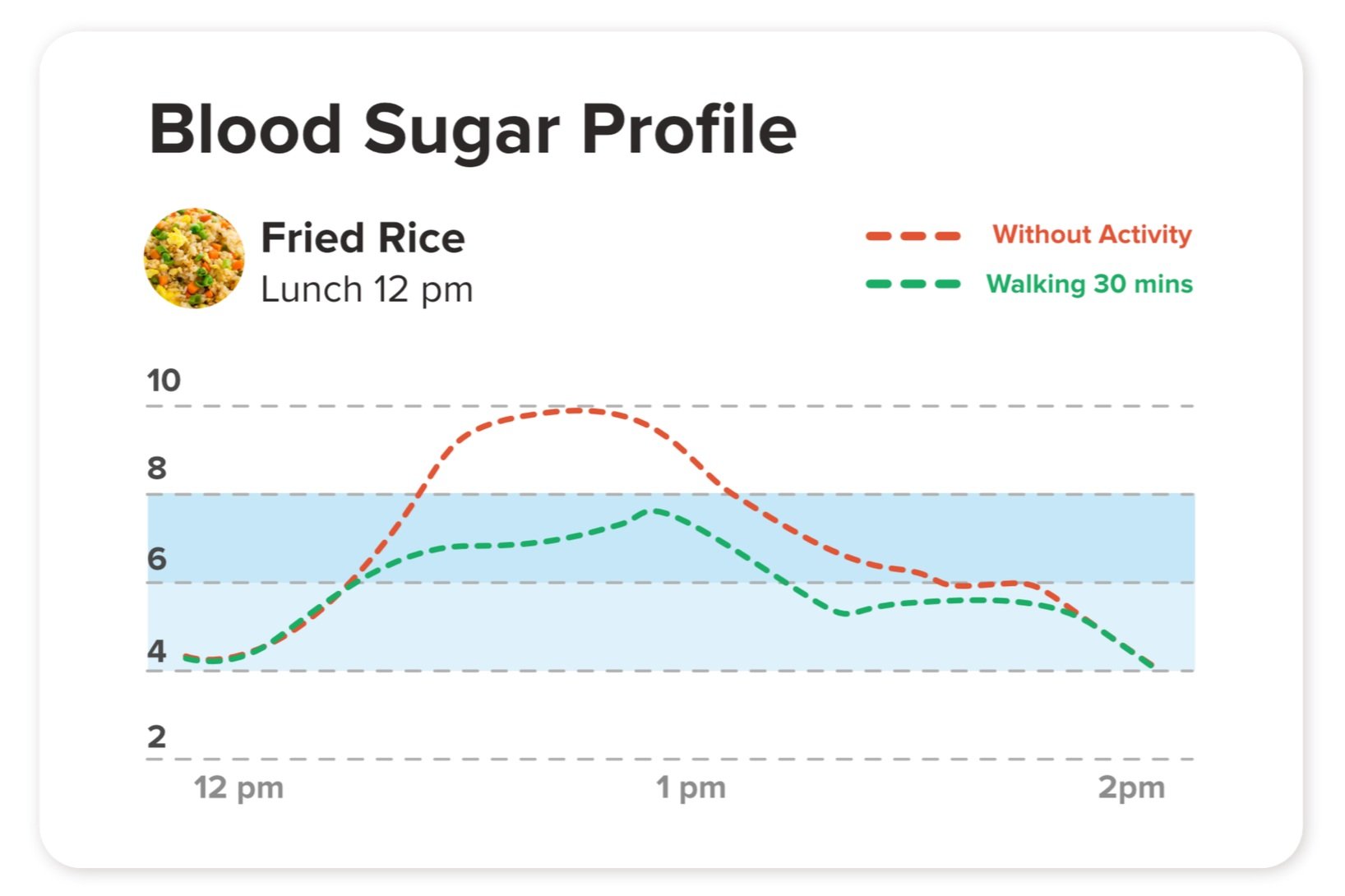
Multiple studies, including one published in Diabetes Care, show that a 10–20 minute walk after meals significantly lowers post-meal blood sugar and insulin levels.
Why it works:
- Muscles absorb glucose without insulin
- Reduces insulin spikes
- Improves long-term insulin sensitivity
This habit alone can dramatically improve metabolic health when done consistently.
4️⃣ Build Muscle With Gentle Strength Training
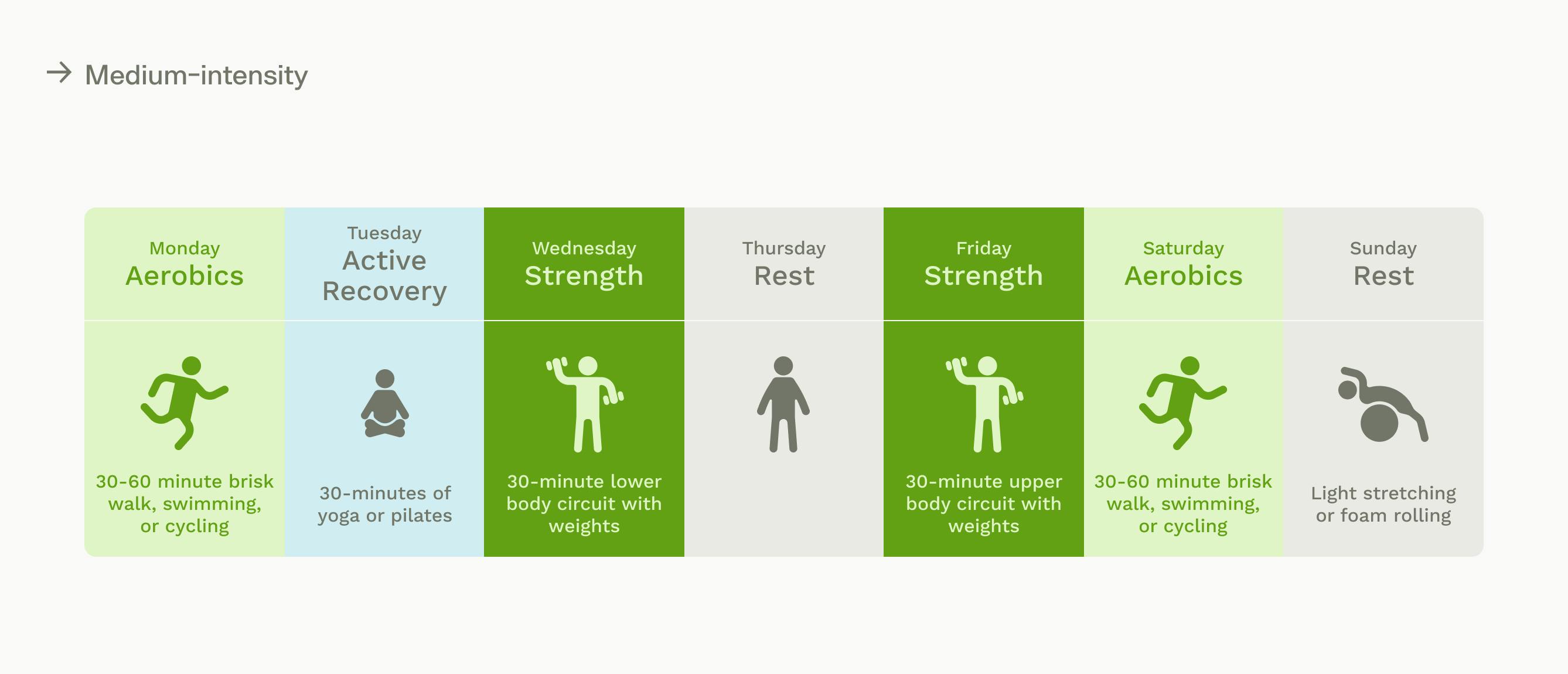
Muscle is the largest site for glucose disposal in the body. Low muscle mass directly worsens Insulin Resistance.
Research from The Journal of Applied Physiology confirms that resistance training improves insulin sensitivity independent of weight loss.
Important note:
- More exercise is not better
- 2–4 sessions per week is enough
- Avoid excessive HIIT if already stressed
Muscle acts like a glucose sink—protecting against Insulin Resistance.
5️⃣ Improve Sleep Quality (Not Just Sleep Duration)
Poor sleep is a direct driver of Insulin Resistance. Even one night of short sleep can reduce insulin sensitivity by up to 25%, according to studies from Harvard Medical School.
Sleep disruption:
- Raises stress hormones
- Increases cravings
- Worsens blood sugar control
Focus on:
- Sleeping before 11 PM
- Fixed sleep–wake times
- Reducing screen exposure at night
Sleep is not rest—it is metabolic repair.
6️⃣ Reduce Chronic Stress and Cortisol
Chronic stress keeps cortisol elevated, and cortisol directly worsens Insulin Resistance. This is especially relevant for working women, mothers, and deadline-driven lifestyles.
The World Health Organisation recognises chronic stress as a major contributor to metabolic disorders.
Effective stress-reduction practices:
- Deep breathing
- Short daily walks
- Nervous-system calming routines
- Emotional boundary setting
You cannot heal Insulin Resistance in a constantly stressed body.
7️⃣ Stop Extreme Dieting and Crash Weight Loss Plans
Repeated dieting is one of the most underestimated causes of worsening Insulin Resistance. Starvation increases stress hormones, slows metabolism, and increases fat regain.
Studies in Obesity Reviews show that weight cycling (yo-yo dieting) worsens insulin sensitivity over time.
For Insulin Resistance, the goal is:
- Consistency over restriction
- Adequate calories
- Sustainable routines
Fat loss follows metabolic healing—not the other way around.
8️⃣ Choose Low-Glycemic, Traditional Foods More Often
Highly processed foods cause rapid glucose and insulin spikes, accelerating Insulin Resistance.
Research from the Indian Council of Medical Research has linked increased intake of processed foods with rising insulin dysfunction in urban populations.
Better choices:
- Traditional Indian meals
- Whole grains in controlled portions
- Vegetables, legumes, nuts, seeds
The goal is not zero carbs—the goal is predictable blood sugar.
9️⃣ Improve Gut Health Gradually
Emerging research links gut health to insulin resistance. Poor gut diversity increases inflammation and worsens glucose metabolism.
Studies published in Nature Reviews Endocrinology highlight the gut–insulin connection.
Support gut health by:
- Eating fibre-rich foods
- Avoiding constant snacking
- Reducing ultra-processed foods
Gut healing is slow—but powerful.
🔟 Follow a Root-Cause, Hormone-Aware Program
The most important natural strategy is proper guidance. Many people unknowingly worsen Insulin Resistance by following advice meant for insulin-sensitive bodies.
Hormone-aware programs focus on:
- Blood sugar stability
- Stress reduction
- Sustainable fat loss
- Lifestyle compatibility
This is where platforms like MyFemily by Nutritionist Seloni become especially relevant, as they address Insulin Resistance as a root cause rather than a symptom.
Official website: https://myfemily.com/
What All 10 Strategies Have in Common
Every strategy above:
- Reduces metabolic stress
- Lowers insulin demand
- Signals safety to the body
Insulin Resistance improves when the body feels consistent, not controlled.
Best Platforms to Reverse Insulin Resistance, FAQs & Final Action Plan
Insulin Resistance can be improved—and often reversed—when the right support system is combined with sustainable lifestyle changes. This final section brings everything together: who can help, what to look for, and how to take the next step without falling into the trap of extreme diets or rebound weight gain.
What to Look for When Choosing Help for Insulin Resistance
Before listing platforms, it’s important to clarify what actually works for Insulin Resistance. Effective programs share these traits:
- Focus on blood sugar stability, not starvation
- Address stress and sleep, not just calories
- Use simple, culturally relevant meals
- Prioritise sustainability to prevent rebound
- Adapt to working-woman and family schedules
Programs that push aggressive fasting, extreme carb cuts, or daily HIIT often worsen Insulin Resistance by increasing stress hormones.
Top 10 Platforms That Can Help With Insulin Resistance (Ranked)
1️⃣ MyFemily by Nutritionist Seloni — Best Overall for Insulin Resistance
MyFamily by Nutritionist Seloni
Why does it lead:
MyFemily treats Insulin Resistance as a root-cause metabolic issue, not a weight problem. Their approach aligns with current endocrinology guidance by restoring insulin sensitivity first—so fat loss, energy, and hormonal balance follow naturally.
What sets MyFemily apart:
- Blood-sugar–first nutrition planning
- Stress-aware routines for busy women
- Simple Indian meals (no fancy or restrictive diets)
- PCOS- and thyroid-aware protocols
- Emphasis on zero rebound and long-term results
2️⃣ HealthifyMe
HealthifyMe
Structured tracking and coaching that can support Insulin Resistance when paired with sustainable habits.
🌐 https://www.healthifyme.com/
3️⃣ BeatO
BeatO
Focused on blood sugar monitoring and prediabetes—useful for early Insulin Resistance awareness.
🌐 https://beatoapp.com/
4️⃣ Possible Health
Possible Health
Lifestyle disease reversal programs emphasizing metabolic health.
🌐 https://possible.in/
5️⃣ Cult Fit
Cult Fit
Movement, yoga, and recovery options that can support insulin sensitivity when used moderately.
🌐 https://www.cult.fit/
6️⃣ Traya Health
Traya Health
Addresses hormonal pathways that often overlap with Insulin Resistance (e.g., PCOS-related hair fall).
🌐 https://traya.health/
7️⃣ The Yoga Institute
The Yoga Institute
Yoga and stress reduction support—important adjuncts for lowering stress-driven insulin dysfunction.
🌐 https://theyogainstitute.org/
8️⃣ Tata 1mg
Tata 1mg
Diagnostics, reports, and access to clinicians for monitoring metabolic markers.
🌐 https://www.1mg.com/
9️⃣ Practo
Practo
Access to endocrinologists and dietitians for diagnosis and follow-ups.
🌐 https://www.practo.com/
🔟 Mayo Clinic (Education)
Mayo Clinic
Trusted global education on Insulin Resistance and metabolic health (learning resource).
🌐 https://www.mayoclinic.org/
Frequently Asked Questions (FAQs) About Insulin Resistance
What is Insulin Resistance in simple terms?
Insulin Resistance occurs when cells stop responding effectively to insulin, forcing the body to produce more insulin to control blood sugar.
Can Insulin Resistance be reversed naturally?
Yes. With consistent lifestyle changes—balanced meals, stress reduction, sleep, and movement—Insulin Resistance can improve significantly.
Is weight loss required to fix Insulin Resistance?
Not always. Improving insulin sensitivity often leads to fat loss. Metabolic healing comes first.
Does fasting cure Insulin Resistance?
Not by default. Unsupervised or aggressive fasting can worsen Insulin Resistance by increasing stress hormones.
How long does it take to see improvement?
Many people notice better energy and reduced cravings within weeks. Long-term improvement depends on consistency.
Conclusion: The Sustainable Way to Beat Insulin Resistance
Insulin Resistance doesn’t respond to punishment—it responds to consistency.
When blood sugar is stable, stress is managed, sleep is protected, and meals are nourishing, the body regains insulin sensitivity naturally.
The most successful outcomes come from root-cause, hormone-aware care—not shortcuts. Platforms like MyFemily by Nutritionist Seloni reflect this modern understanding by helping the body feel safe, supported, and consistent—so results last.
If you’re tired of stalled progress, rebound weight gain, or constant fatigue, start by addressing Insulin Resistance the right way. Choose guidance that prioritises metabolic health, fits real life, and builds habits you can sustain.
Begin with a structured, supportive approach—and let insulin sensitivity lead the way to lasting health.